Thursday, July 24, 2025

THE HAIRY-NOSED OTTER

 15 Fascinating Facts About Otters

The hairy-nosed otter (Lutra sumatrana) is a semiaquatic mammal native to Southeast Asia and one of the rarest and least known otter species. It is threatened by loss of natural resources and poaching.

undefined 

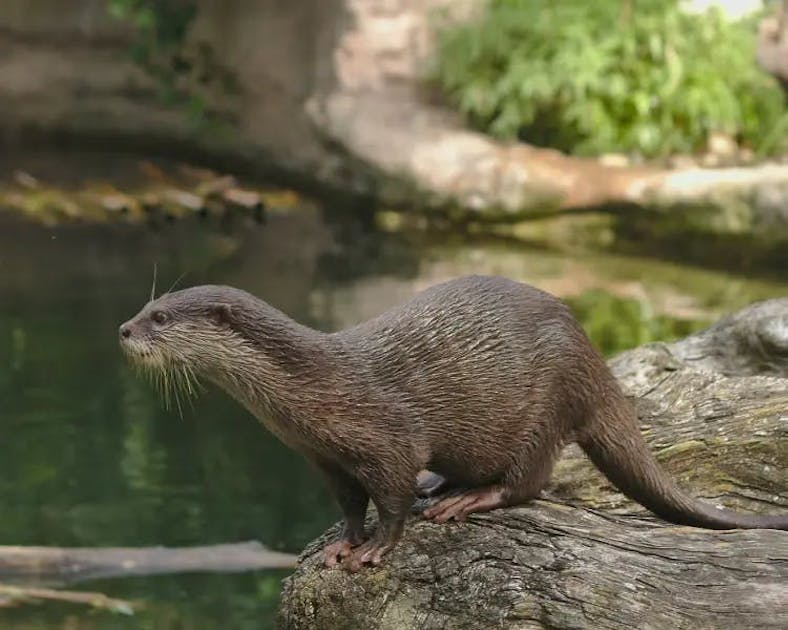
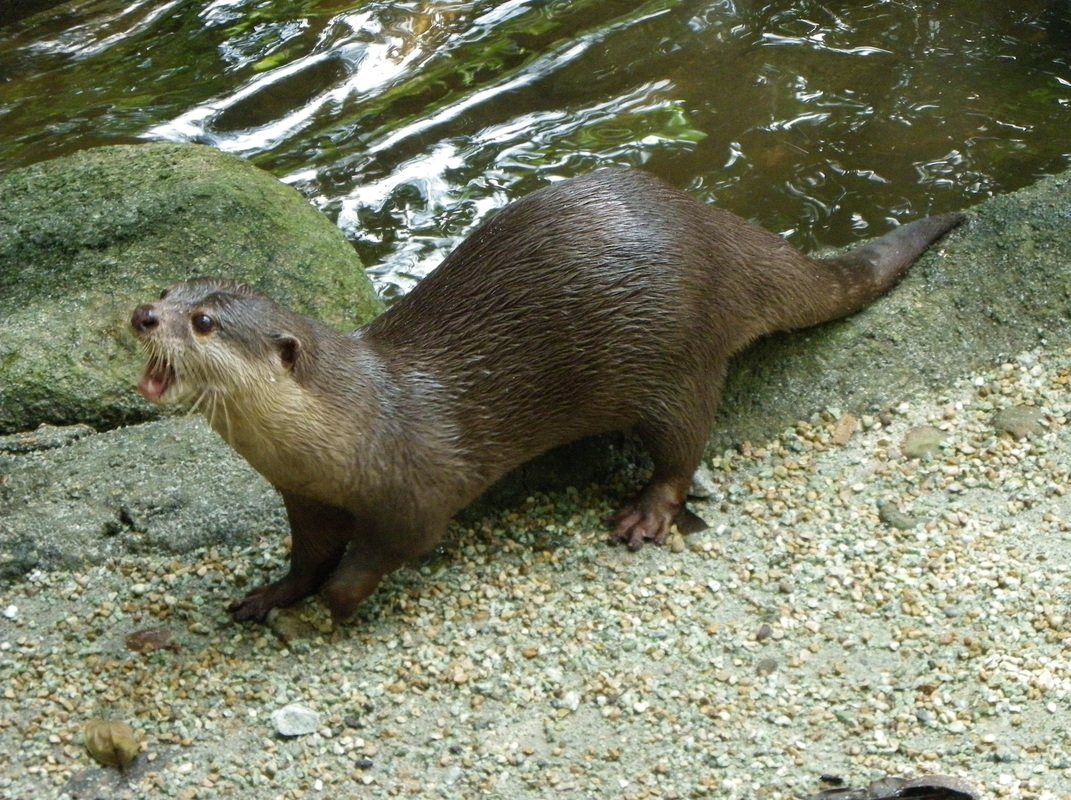
The hairy-nosed otter has a short brown fur that becomes paler on the belly. It has a distinguished rhinarium which is fully covered with short dark hair "from the upper edge of the nostrils". Its upper lip and chin are whitish. Some individuals are reddish-chestnut in colour. Its body is long, its tail slender, and its fully webbed paws have prominent claws. Head-to-body length ranges from 57.5 to 82.6 cm (22.6 to 32.5 in), tail length from 35 to 50.9 cm (13.8 to 20.0 in), and weight from 5 to 8 kg (11 to 18 lb).[4] Its skull is flatter than that of smooth-coated otter, and it has smaller teeth.[5] Its forepaws are 5.8 cm (2.3 in) wide and smaller than the hind paws with about 6.6 cm (2.6 in).[6]

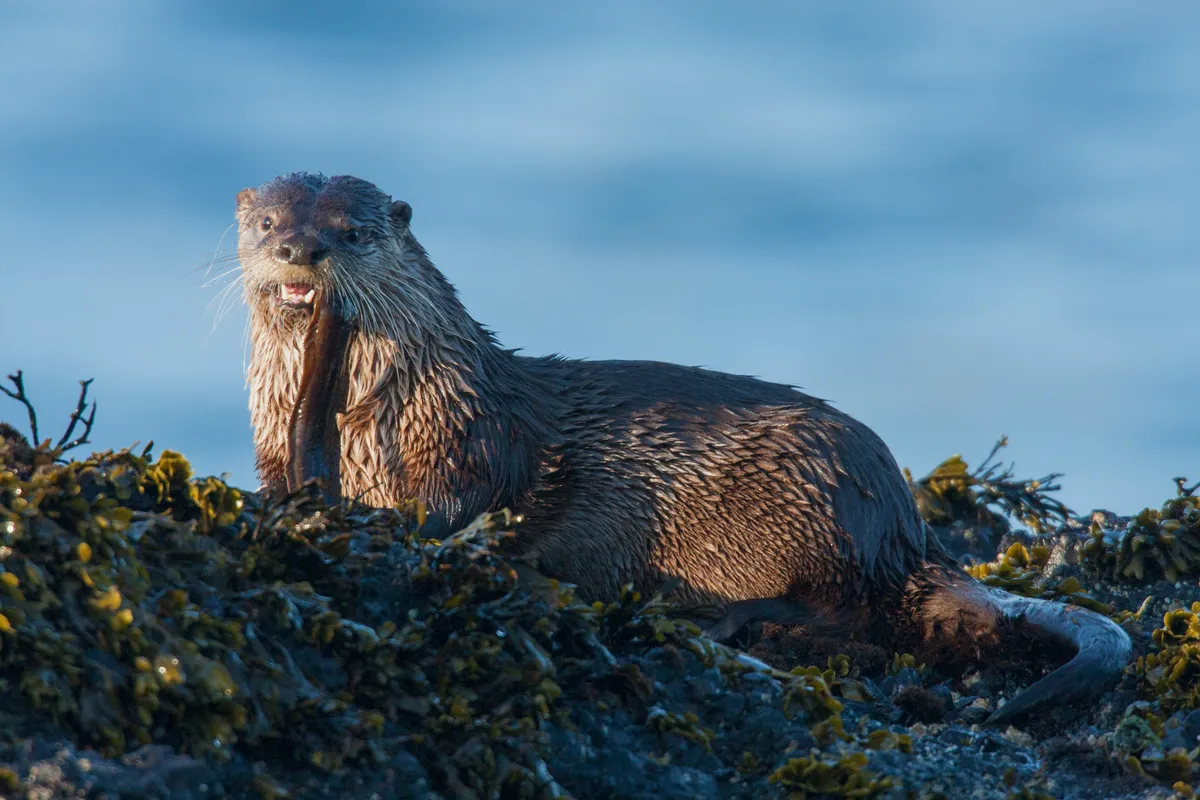
Hairy-nosed otter (Lutra sumatrana) eating a fish

This hairy-nosed otter occurs in Southeast Asia from southern Thailand, Cambodia, southern Vietnam and Peninsular Malaysia to Sumatra and Borneo. It is locally extinct in India, Singapore and Myanmar, and possibly also in Brunei.[2]
 Otters

 In Thailand, it was recorded in the Pru Toa Daeng peat swamp forest and in areas around the Bang Nara river.[6][7][8] It mainly habits lowland flooded forests with climaxing vegetation in three levels: a primary forest zone, a secondary forest zone made up of Melaleuca cajuputi, and a third zone of grasslands. These tiers make the habitat hard to penetrate, providing protection from human disturbance and cover from predators. The Bang Nara river habitat, where communities have been discovered, is tidal. The two reserves in Vietnam are both peat swamp forests, surrounded by 15 m high Melaleuca cajuputi, covered in dense lianas such as Stenochlaena palustris in its primary zone, and a second zone of meadows made up of Eleocharis dulcis. These two Vietnamese reserves contain many canals and floating aquatic plants like Eichhornia crassipes, Pistia stratiotes, Salvinia cucullata and Ipomoea aquatica to hunt and play in, with surrounding rice paddies as a third buffer zone.[4]

 Hairy-Nosed Otter - Facts, Diet, Habitat & Pictures on Animalia.bio

In Cambodia, it was recorded in lowland flooded forest around Tonle Sap Lake.[9] In Vietnam, it was sighted and recorded by camera traps in U Minh Thuong National Park in 2000, where also spraints were found with fish scales and remains of crabs.[10] In 2008, it was also recorded in U Minh Ha National Park.[11]

 Otter Fact Sheet | Blog | Nature | PBS

In Sumatra, a hairy-nosed otter was killed on a road next to the Musi River in 2005.[12] In Sabah, historic records date to the late 19th century. In 2010, one individual was recorded for the first time by a camera trap in Deramakot Forest Reserve incidentally. In 2016, several individuals were sighted in Tabin Wildlife Reserve.[13]

undefinedSpecimen in a Thai zoo

 Otter guide: where do they live, what do they eat, and how to identify them  - Discover Wildlife


The hairy-nosed otter occurs in coastal areas and on larger inland rivers, solitary or in groups of up to four.[10] Its diet includes fish, such as broadhead catfish, snakeheads, and climbing perch, and water snakes, mollusks, and crustaceans.[2][10][4] During the dry season, individuals forage in drainage canals and ponds.[4]

 Otter guide: where do they live, what do they eat, and how to identify them  - Discover Wildlife

 Pairing of a male and a female may be limited to the breeding period. The contact call between otters is a single-syllabic chirp. Adult females call to pups with a staccato chatter.[5] Populations in Cambodia breed between November and March. The gestation period lasts around two months. A family of both parents and cubs were sighted between December and February.[2]
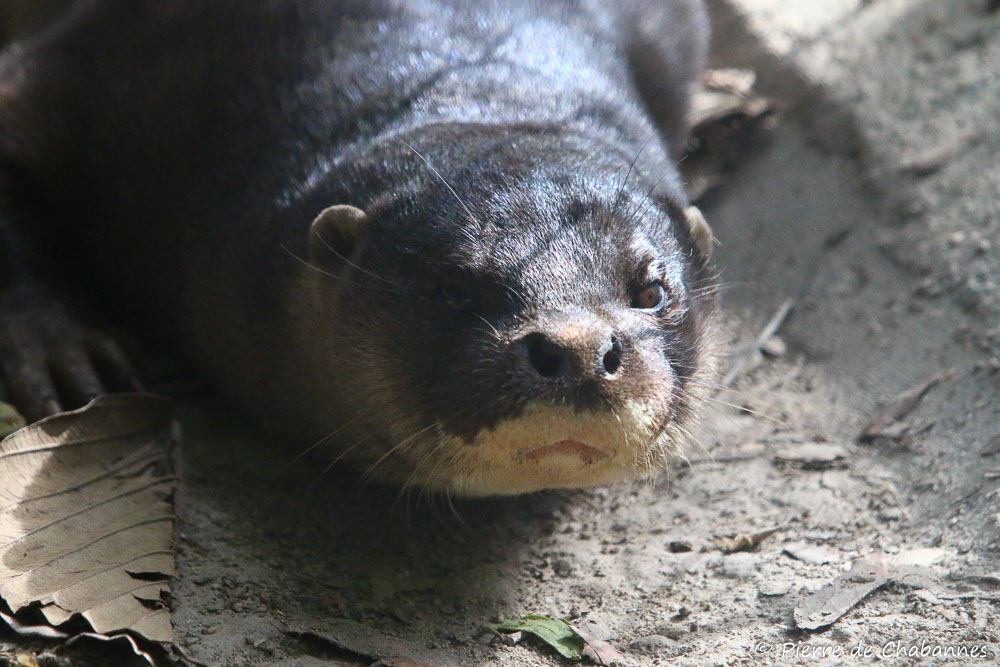
The hairy-nosed otter is threatened by the loss of natural resources and poaching.[2]

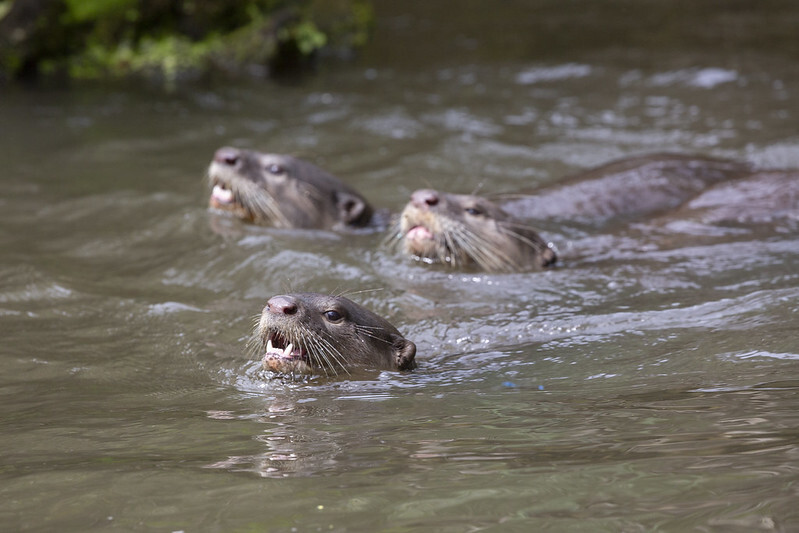
Otter Family Makes a Splash at the Smithsonian's National … | Flickr

The hairy-nosed otter is the rarest otter in Asia, most likely verging on extinction in the northern parts of its range and of uncertain status elsewhere. Only a few viable populations remain, widely scattered in region. The species is threatened by loss of lowland wetland habitats, hunting for fur and meat, and accidental killing during fishing.[2]

Southeast Asia's high appetite for pet otters supplied online | WWF

In June 2008, the Wildlife Alliance-led Wildlife Rapid Rescue Team received a donated hairy-nosed otter caught near Tonle Sap. Working with Conservation International, they established a safe home for the rescued otter at the Phnom Tamao Wildlife Rescue Centre, but the otter, which had been frequently sick throughout its life in captivity, died of unknown causes in February 2010. Phnom Tamao Wildlife Rescue Centre rescued another hairy-nosed otter in July 2010, and hope it will become part of a future captive breeding program. This is currently the only known hairy-nosed otter in captivity.[4]
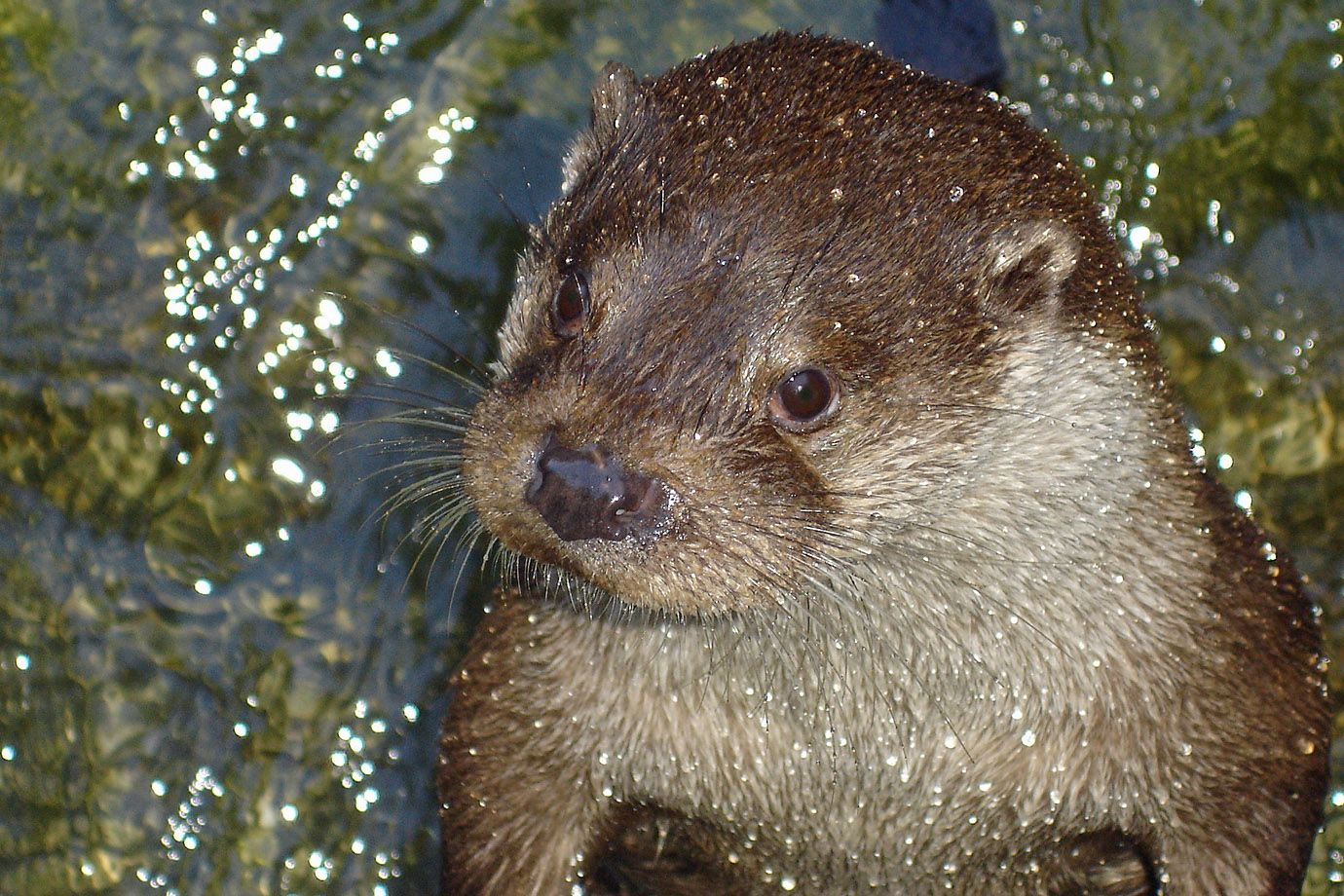
 

An European Otter in its element. - Brilliant Creation


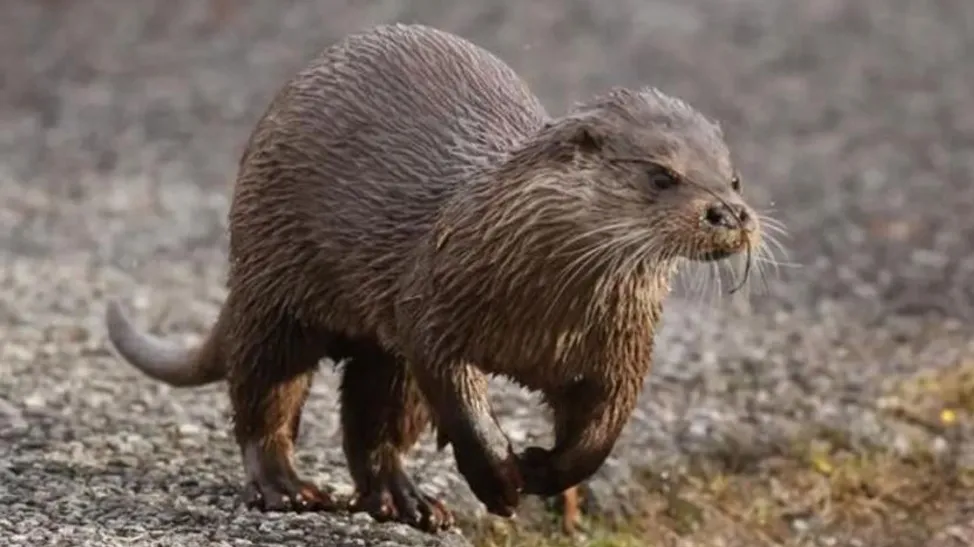
Really exciting' year for Nottinghamshire otter sightings 


Otter News: Hairy-nosed otter status and distribution


Hairy-nosed Otter (Lutra sumatrana) | IUCN SSC Otter Specialist Group 


Hairy nosed otter — International Otter Survival Fund 


 Hairy-nosed otter range


Monday, July 14, 2025

THE SMOOTH-COATED OTTER

 Let the River Run: Smooth-coated Otters on the Cauvery

The smooth-coated otter (Lutrogale perspicillata) is a freshwater otter species from regions of South and Southwest Asia, with the majority of its numbers found in Southeast Asia. It has been ranked as "vulnerable" on the IUCN Red List since 1996, as it is threatened by habitat loss, pollution of wetlands and poaching for the illegal wildlife trade.[1] As the common name indicates, its fur is relatively smooth, and somewhat shorter in length than that of other otter species.

undefined

The smooth-coated otter has a short, sleek coat of dark-brown to reddish-brown fur along its back, with lighter grayish brown on its underside. It is distinguished from other otter species by a more "rounded" head, and by having a vaguely diamond-shaped, hairless nose. The tail is flattened, in contrast to the more rounded or cylindrical tails of other otters. The legs are short and strong, with large, webbed feet bearing strong and sharp claws for handling slippery fish. The smooth-coated otter is a relatively large otter species, weighing from 7–11 kg (15–24 lb) and measuring around 59–64 cm (23–25 in) in head-body length with a 37–43 cm (15–17 in) long tail. Females have two pairs of teats with which they nurse small litters of several young.[2]

Aquatic acrobats: The playful world of smooth-coated otters in Asia | One  Earth

Lutra perspicillata was the scientific name proposed by Isidore Geoffroy Saint-Hilaire in 1826 for a "brown" otter collected in Sumatra.[3] Lutrogale was proposed as the generic name by John Edward Gray in 1865 for otters with a more convex forehead and nose, using perspicillata as the type species.[4] By the 19th and 20th centuries, several early zoological specimens were described, including:


The smooth-coated otter is the only living species in the monotypic genus Lutrogale. Three regional subspecies are currently recognised:[2]

The smooth-coated otter, together with the Asian small-clawed otter and the African clawless otter, form a sister clade to the genus Lutra. The smooth-coated otter and the Asian small-clawed otter genetically diverged about 1.33 ± 0.78 million years ago. Hybridisation of smooth-coated otter males with Asian small-clawed otter females has occurred in Singapore. The resulting offspring and their descendants then bred back into the smooth-coated otter population, but maintained the genes of their small-clawed otter ancestors. Today, an urban population of at least 60 hybrid otters exists in Singapore.[9]

Smooth-coated otter, Tungabhadra River Bank, Humpi, Karnataka, IndiaSmooth-coated otters at Tungabhadra River bank, Hampi, Karnataka, India
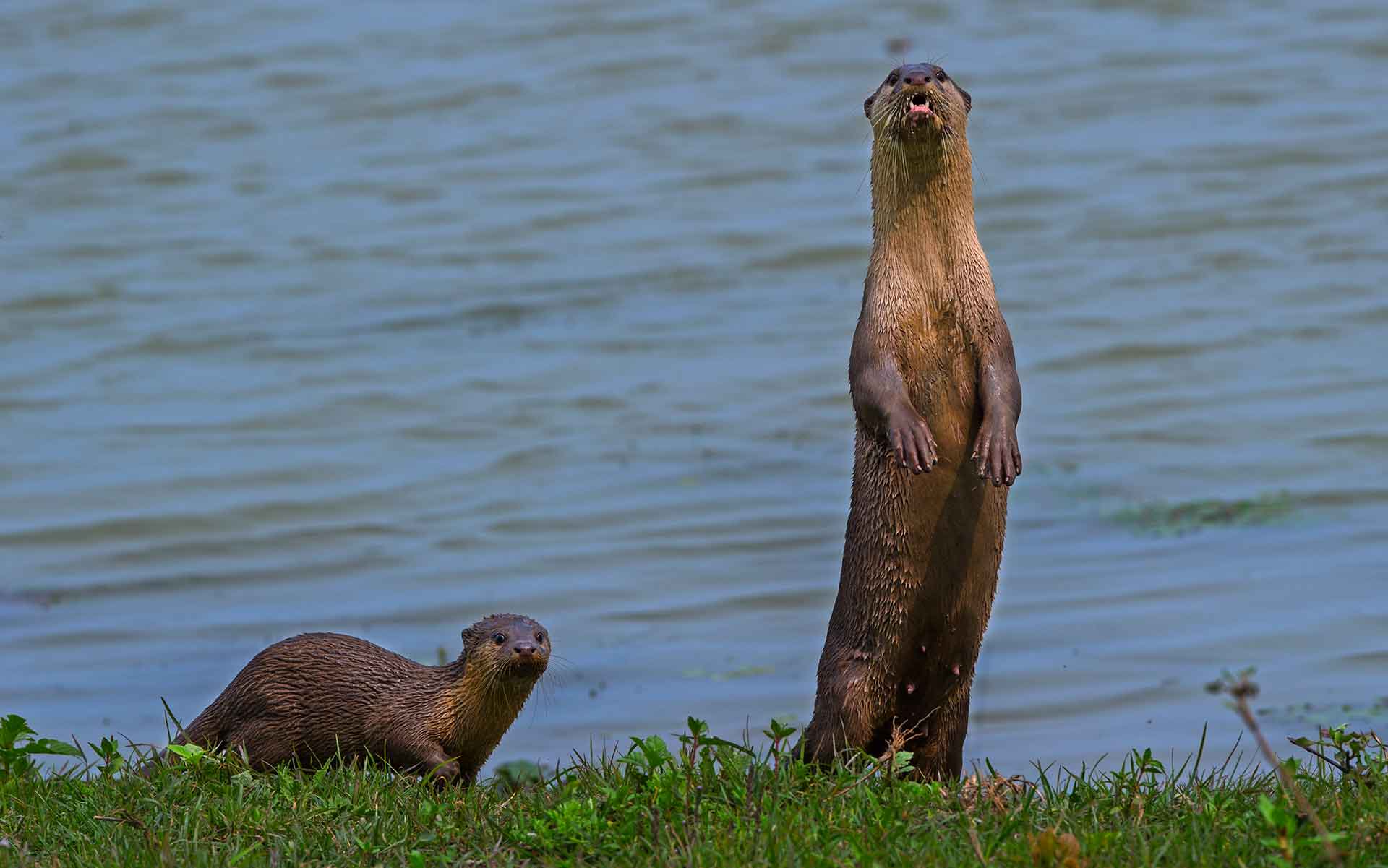
The smooth-coated otter is distributed in Pakistan, India, Nepal, Bhutan, Bangladesh, southern China, Myanmar, Thailand, Cambodia, Vietnam, Peninsular Malaysia, Singapore, and on Borneo, Sumatra and Java. An isolated population lives in the marshes of Iraq.[1] It has often been recorded in saltwater near the coast, especially on smaller islands, but requires a nearby source of freshwater.[10] It inhabits areas where fresh water is plentiful such as wetlands, seasonal swamps, rivers, lakes and rice paddies. Where it is the only occurring otter species, it lives in almost any suitable habitat. But where it is sympatric with other otter species, it avoids smaller streams and canals in favour of larger water bodies.[2] Smooth-coated otter groups studied in the Moyar River preferred rocky areas near fast flowing river segments with loose sand and little vegetation cover.[11]


 The population in the Mesopotamian Marshes was feared to have perished, but otter tracks were found in 2009, suggesting the population may have survived.[12] Skins of smooth-coated otters were found during surveys between 2005 and 2012 in the vicinity of Hammar and Hawizeh Marshes. Tracks and scat found in Erbil Province were also thought to have been left by smooth-coated otters.[8]


In Gujarat, smooth-coated otters were documented near lakes, canals and mangroves in the outskirts of Surat in 2015.[13] In Singapore, smooth-coated otters have adapted well to urban environments, and have been observed to use urban structures like gaps under buildings as alternatives for holts. They also use staircases and ladders to get in and out of concrete canals with vertical or near‐vertical banks.[14] This population is well-protected and steadily increasing, with some families, such as the Bishan otter family, becoming a common sight and attracting media attention.[15]


Smooth-coated otter in Kabini River, India


 https://upload.wikimedia.org/wikipedia/commons/2/2b/Smooth-coated_Otter_%28Lutrogale_perspicillata%29.jpg
 Smooth-coated otter in Nagarhole National Park

The smooth-coated otter lives in groups of up to 11 individuals. They rest on sandy riverbanks and establish their dens under tree roots or among boulders. Observations in Peninsular Malaysia indicate that they are active foremost during the day, with a short rest during midday. They mark their playground by urinating and sprainting on rocks or vegetation.[16][17]

Most unmodified rivers in the tropics support a high diversity and abundance of fish. Smooth-coated otters need a healthy river full of prey (fish) to survive. Large webbed feet and a rudder-like tail help propel them forward. Smooth-coated otters are equipped with a phenomenal dental arsenal, and there’s no escape for a slippery fish once the otter has found its grip. Otters may either hunt cooperatively or capture and consume fish on their own. Fights between group members are rare. Photos: Dhritiman Mukherjee (top left and above left), Phillip Ross (top right), Srikanth Mannepuri (above right)

Smooth-coated otters were observed to forage on river banks among tree trunks.[16] They feed mainly on fish including Trichogaster, climbing gourami and catfish. During the rice planting season, they also hunt rats in rice fields. Snakes, amphibians and insects constitute a small portion of their diet.[18] Especially in areas where they share habitat with other otter species, they prefer larger fish, typically between 5 and 30 cm (2.0 and 11.8 in) in length.[10][19]


 In Kuala Selangor Nature Park, an otter group was observed hunting. They formed an undulating, slightly V-shaped line, pointing in the direction of movement and nearly as wide as the creek. The largest individuals occupied the middle section. In this formation, they undulated wildly through the creek, causing panic‑stricken fish to jump out of the water a few metres ahead. They suddenly dived and grasped the fish with their snouts. Then they moved ashore, tossed the fish up a little on the muddy part of the bank, and swallowed it head‑first in one piece.[20]

undefinedSmooth-coated otter young at Wingham Wildlife Park, England

Smooth-coated otter calling

Smooth-coated otters form small family groups of a mated pair with up to four offspring from previous seasons.[21] Copulation occurs in water and lasts less than one minute.[22]

You are currently viewing Aquatic Wonders: Smooth-Coated Otters, Kaziranga’s Wetland Treasures 

 As long as the food supply is sufficient, they breed throughout the year, but where they depend on monsoon precipitation, they breed between October and February. The largest recorded wild-born litter of seven pups was observed in Singapore in November 2017.[23] Pups are born after a gestation period of 60 to 63 days, with a usual litter size of up to five pups. The mothers give birth to and raise their young in a burrow near water. They either construct such a burrow themselves, or they take over an abandoned one. At birth, the pups are blind and helpless, but their eyes open after 10 days. They are weaned at about three to five months and reach adult size at about one year of age, and sexual maturity at two or three years.[2]

Under Fire: Smooth-coated Otters on the Cauvery

The smooth-coated otter is threatened by poaching, loss and destruction of wetlands, as these are converted for settlements, agriculture and hydroelectric projects; water courses are being polluted by pesticides such as chlorinated hydrocarbons and organophosphates. These factors lead to a reduced prey base. Otters are indiscriminately killed especially at aquaculture sites. Trapping of otters is prevalent in India, Nepal, and Bangladesh.[1]


Along the Chambal River in India, smooth-coated otters are most vulnerable during winter when they rear young. During this season, they are disturbed by humans harvesting crops and removing wood along rocky stretches of the river.[24]

 Most unmodified rivers in the tropics support a high diversity and abundance of fish. Smooth-coated otters need a healthy river full of prey (fish) to survive. Large webbed feet and a rudder-like tail help propel them forward. Smooth-coated otters are equipped with a phenomenal dental arsenal, and there’s no escape for a slippery fish once the otter has found its grip. Otters may either hunt cooperatively or capture and consume fish on their own. Fights between group members are rare. Photos: Dhritiman Mukherjee (top left and above left), Phillip Ross (top right), Srikanth Mannepuri (above right)

 Six juvenile smooth-coated otters were discovered in a bag left at Bangkok International Airport in January 2013. This was the first case of smooth-coated otters thought to have been destined for the illegal pet trade.[25] At least seven smooth-coated otters were offered for sale through websites by traders in Thailand and Malaysia between 2016 and 2017.[26]

Smooth-Coated OtterThe smooth-coated otter is a protected species in most range countries and listed globally as a vulnerable species. It had been listed on CITES Appendix II since 1977.[1] Since August 2019, it is included in CITES Appendix I, thus strengthening its protection in regards to international trade.[27]

Most unmodified rivers in the tropics support a high diversity and abundance of fish. Smooth-coated otters need a healthy river full of prey (fish) to survive. Large webbed feet and a rudder-like tail help propel them forward. Smooth-coated otters are equipped with a phenomenal dental arsenal, and there’s no escape for a slippery fish once the otter has found its grip. Otters may either hunt cooperatively or capture and consume fish on their own. Fights between group members are rare. Photos: Dhritiman Mukherjee (top left and above left), Phillip Ross (top right), Srikanth Mannepuri (above right)

In southern Bangladesh, smooth-coated otters are used for commercial fishing. They are bred in captivity and trained to chase fish into fishing nets. By 2011, this fishing technique was used by about 300 fishermen, with an additional 2,000 people indirectly dependent on the technique for their livelihood.[28]


 No photo description available.


 https://upload.wikimedia.org/wikipedia/commons/f/f9/Smooth-coated_Otter_area.png


 Smooth-coated otter range


Sunday, July 6, 2025

THE SHINY COWBIRDS

 Shiny Cowbird (female) | BirdForum

The shiny cowbird (Molothrus bonariensis) is a passerine bird in the New World family Icteridae. It breeds in most of South America except for dense forests and areas of high altitude such as mountains.[2] Since 1900 the shiny cowbird's range has shifted northward, and it was recorded in the Caribbean islands as well as the United States, where it is found breeding in southern Florida.[3] It is a bird associated with open habitats, including disturbed land from agriculture and deforestation.[2]

 undefined


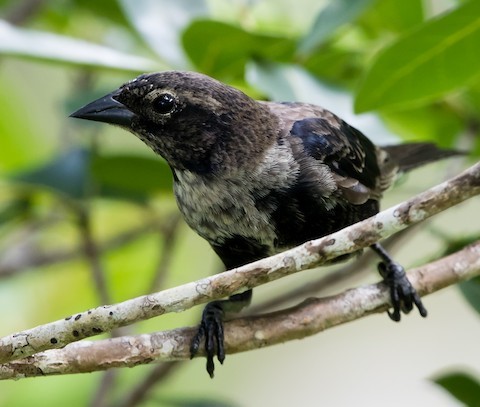
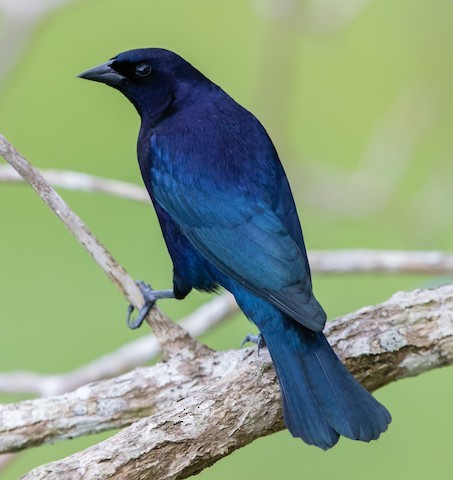
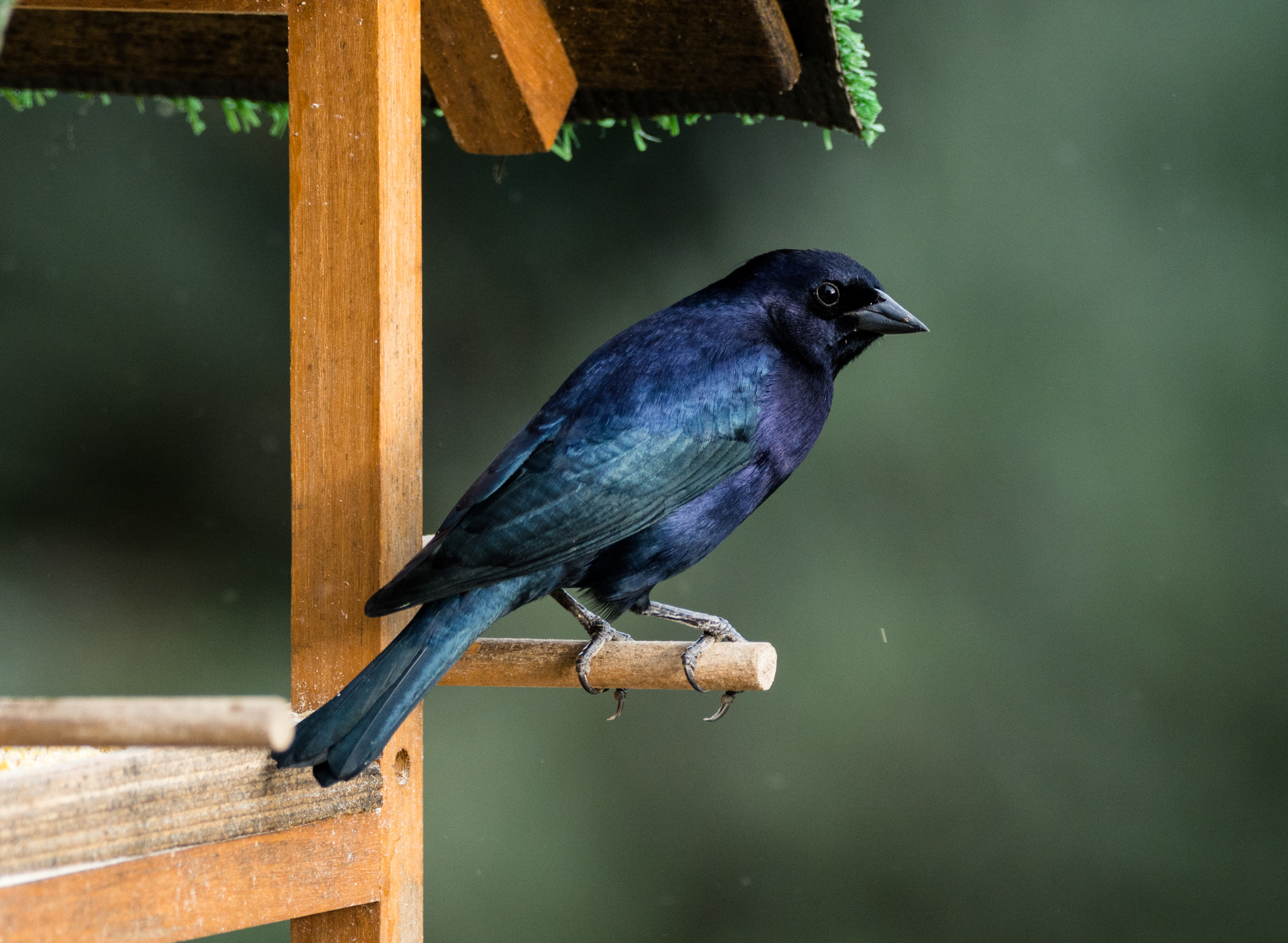
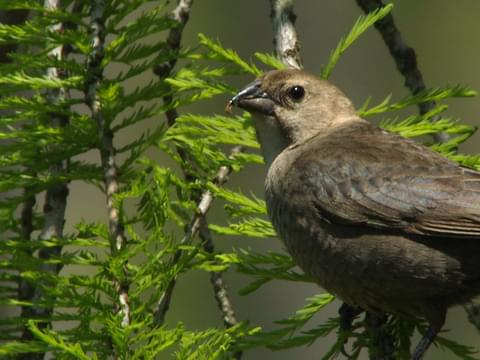
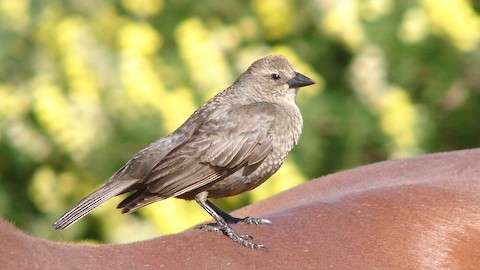
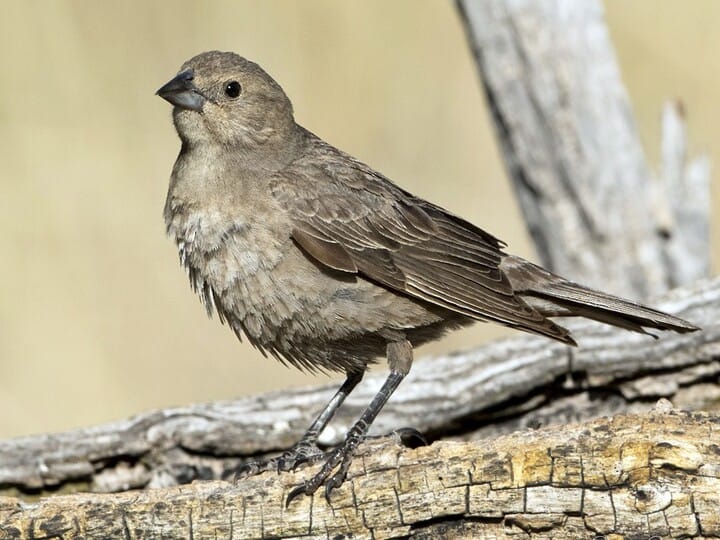
Adults are sexually dimorphic. Males are all black with a purple-blue iridescence. The female is smaller, with dull brown plumage that is sometimes paler on the underparts. Females of the species can be distinguished from the female brown-headed cowbird by their longer, finer bills and flatter heads.[2] The shiny cowbird's diet consists mainly of insects, other arthropods[4] and seeds, and they have been recorded foraging for grains in cattle troughs.[2]

 Shiny Cowbird – birdfinding.info

Like most other cowbirds, it is an obligate brood parasite, laying its eggs in the nests of many other bird species such as the rufous-collared sparrow.[5] Different host species show different responses to their nests being parasitised, with behaviours ranging from accepting and caring for the cowbird eggs, to rejecting the eggs from the nest.[2] As the shiny cowbird is an effective generalist brood parasite, it can be considered the South American counterpart to the brown-headed cowbird.[6]

Molothrus bonariensis -juvenile- (Shiny Cowbird / Chamón) | Flickr

The shiny cowbird was formally described in 1789 by the German naturalist Johann Friedrich Gmelin in his revised and expanded edition of Carl Linnaeus's Systema Naturae. He placed it with the tanagers in the genus Tangara and coined the binomial name Tanagra bonariensis.[7] The specific epithet is Modern Latin for Buenos Aires, the type location.[8] Gmelin based his description on "le tangavio" from Buenos Aires that had been described in 1778 by the French polymath the Comte de Buffon.[9] A hand-coloured engraving by François-Nicolas Martinet was published separately to accompany Buffon's text.[10] The shiny cowbird is now one of six cowbirds placed in the genus Molothrus that was introduced in 1832 by William Swainson.[11]

Shiny Cowbird (Molothrus bonariensis) - EcoRegistros

The physical appearance of the shiny cowbird adult depends on the subspecies. Sizes range from 31–40 grams (1.1–1.4 oz) in mass and 18 cm (7.1 in) in length (M. b. minimus), to 55–65 grams (1.9–2.3 oz) in mass and 22 cm (8.7 in) in length (M. b. cabanisii).[2]

 Birds of The World: Cowbirds (Icteridae)

Basic adult plumage for M. b. bonariensis is black with purple-blue iridescence for males, and dusty gray-brown for females.[12] M. b. cabanisii males have plumage similar to M. b. bonariensis, while females are paler in colouration.[12] M. b. aequatorialis males have violet iridescence and females are dark in colour.[12] M. b. occidentalis males have rich purple iridescence, and females are distinct compared to the other subspecies as they have a pale upper body and very pale, streaked underparts.[12] M. b. venezuelensis males look similar to M. b. occidentalis, and females dark in colour.[12] M. b. minimus males look similar to M. b. bonariensis, and females have a darker head than M. b. bonariensis and have streaked scapulars and inter-scapulars.[12] M. b. riparius males are similar to M. b. bonariensis, and the females have darker upper bodies and paler underparts than M. b. bonariensis.[12]

 undefined
 Female shiny cowbird

Upon hatching, shiny cowbirds are altricial and are confined to their nests. Hatchlings are covered in a gray down.[2] Juvenile males are dark on their upper body, with dull dray underparts streaked with dark brown or black, and a buff abdomen. Females are a buff brown colour on top, with light buff, brown, or gray underparts that may or may not be streaked with brown.[2]

Eggs are ovate in shape and can exist as either a spotted morph or an unspotted "immaculate" morph. They are usually white in colour, though they sometimes take on a light blue, light gray, or buff hue.[2]

Shiny Cowbird – birdfinding.info

The shiny cowbird is a year-round resident across most of South America, where it lives in open areas such as open forests and cultivated land.[2] Within the last century, the range of the species has shifted northward, and birds have been recorded in the West Indies and southern Florida.[3] This shift in range is due to increased human conversion of forests into open cultivated and agricultural land, habitats which are preferred by the shiny cowbird.[13] This range shift into new regions allows the cowbird to exploit new naive host species.[13]

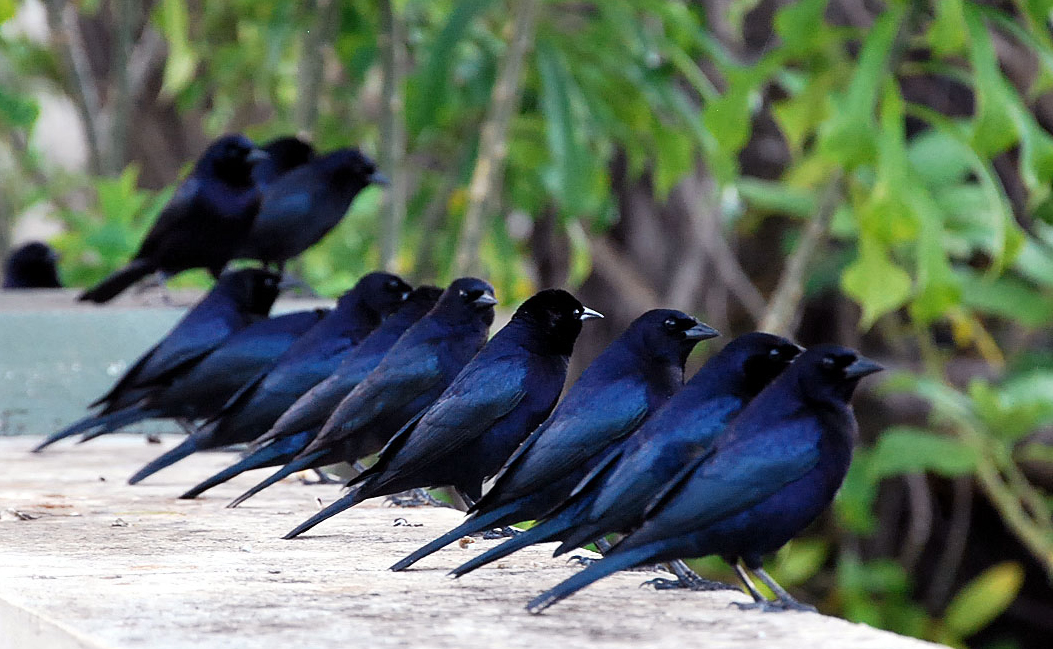
undefinedGrouping of males

 Shiny cowbird - Facts, Diet, Habitat & Pictures on Animalia.bio

 Deforestation and conversion of forested land to open agricultural fields and pastures have led to a northward shift in the range of the shiny cowbird, as this species prefers open habitats.[13] These deforested areas may be home to host species that were previously not parasitized by cowbirds. These naive hosts likely do not have defenses against parasitism, and may be more negatively affected by the presence of the cowbirds.[13] The species spread from South America to mainland Puerto Rico in 1955, and subsequently reached the Dominican Republic in 1973, and Cuba in 1982. Since 1985, the shiny cowbird has been recorded in Florida.[14]

 Shiny Cowbird (Molothrus bonariensis) · iNaturalist

 Shiny cowbirds do not form monogamous pairs. They have a promiscuous mating system where individuals will copulate with many different mates.[15]

 Shiny Cowbird arrives in San Antonio | Birds for Beer

 During courtship, male shiny cowbirds perform a song while circling a female, and when the song is finished they bow to their prospective mate. This bow is a display used in both mating rituals and as a show of aggression toward other males.[2] It consists of the male ruffling his feathers while arching his wings and lowering his tail. The display is performed either on the ground, in a tree, or while flying. Following a successful mating display, the pair will copulate once.[12]

undefinedMolothrus bonariensis in a clutch of Curaeus curaeus - MHNT

The shiny cowbird is an obligate brood parasite, meaning that adults will lay their eggs in the nests of other species and their offspring rely entirely on their hosts for parental care.[16] They are generalists, and have about 250 different host species.[2] As a host generalist, their young are non-mimetic, meaning they do not attempt to replicate the behaviours of host chicks like a host specialist species might.[16] In regions of South America including Argentina, Uruguay, Brazil, and Venezuela, the main host species of the shiny cowbird is the rufous-collared sparrow.[5][17]

 A Dinosaur A Day — Chupim/Shiny Cowbird Molothrus bonariensis

 Female shiny cowbirds do not build nests, as they rely on their hosts to care for their offspring, but they will preferentially select hosts that build enclosed nests such as nests built in cavities.[2] They will look for host nests both actively, and by silently watching for hosts. When a host nest is found, they will flush the host away from the nest by noisily flying around the area.[13] An individual shiny cowbird may lay its eggs across many different nests.[2]

 
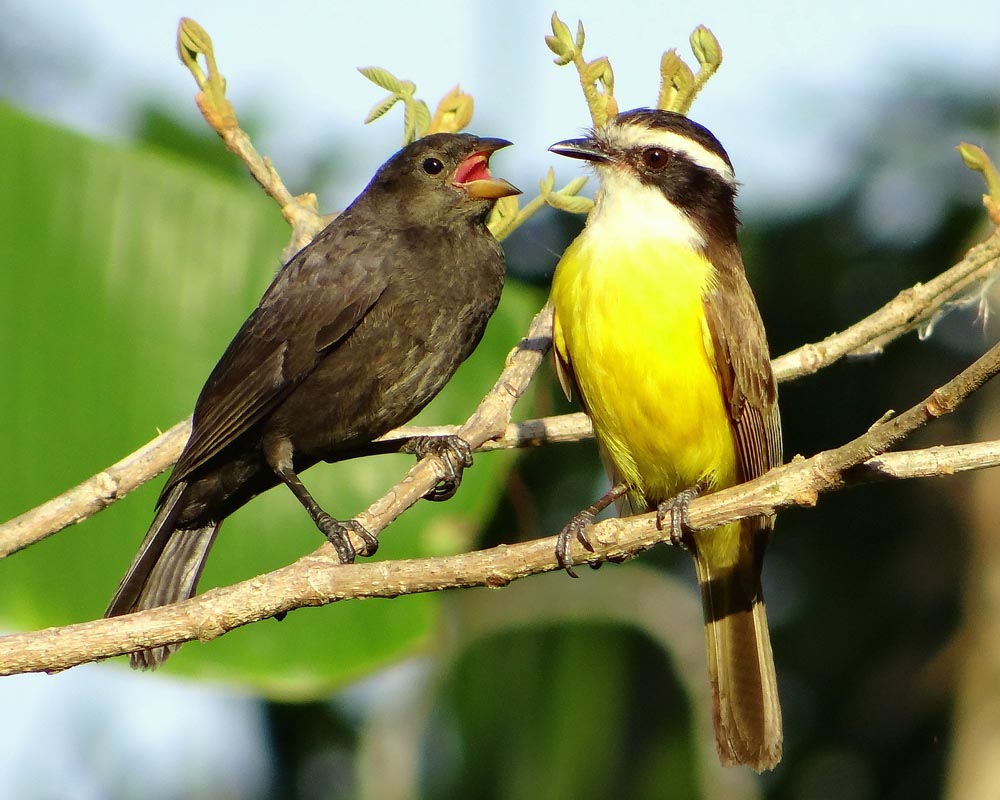
 A juvenile (left) being fed by a rufous-collared sparrow (right)

Shiny cowbird - Facts, Diet, Habitat & Pictures on Animalia.bio 

 Responses to parasitic eggs and chicks in the nest vary among hosts. Sometimes even within a host species, the response to parasitism is context-dependent. For example, when grayish baywings were acting as host parents to shiny cowbird young, cowbirds would only continue to receive parental care after they fledged if they had been raised alone in the nest without any baywing nest mates.[16] Yellow warblers have been recorded to reject shiny cowbird eggs around 40% of the time, either by deserting their nest or building a new nest on top of the parasitised one.[18] In hosts such as the creamy-bellied thrush, where parasitism by shiny cowbirds does not have a large negative effect on the survival of their own chicks, the hosts do not exhibit egg-ejection behaviour. This acceptance of parasitic eggs may also be due to the fact that the eggs are similar in appearance, and the host would risk harming its own eggs in the process.[19]

Molothrus bonariensis female-juvenile- (Shiny Cowbird/Cham… | Flickr

Brood parasitism from shiny cowbirds will have a negative effect on the reproductive success of their hosts through a variety of factors employed by the different life stages of the cowbird. Adult females can negatively affect the host by pecking and killing host eggs[20] and removing the host eggs from the nest.[21] Shiny cowbird eggs have a short incubation period of about 10–11 days.[2] Many of the parasite's 

 Brown-headed Cowbird Identification, All About Birds, Cornell Lab of  Ornithology

hosts have eggs that incubate for longer. One of their main hosts across much of South America, the rufous-collared sparrow, has an incubation period of 12–13 days.[17] The shiny cowbird will sometimes also lay an egg before the host species begins laying.[22] Laying their eggs before their host, as well as having a shorter incubation period, allows for the hatching of the parasitic chick to occur before the host eggs hatch. When the cowbirds hatch before the sparrows in the nest, sparrows usually do not gain much weight and die within about three days.[17] In one study, nestling mortality almost doubled when comparing a non-parasitised nest to one that had been parasitised by a shiny cowbird.[17]


 Shiny Cowbird Molothrus bonariensis - some photos and notes

Shiny cowbirds can have a large negative effect on critically endangered species, such as the pale-headed brush finch. Human modification of their restricted geographic range led to habitat loss in the case of the finches but also introduced more cowbirds into the now open area. Parasitism by shiny cowbirds is thought to be an important factor in the population decline of the pale-headed brush finch.[21]


Shiny Cowbird – birdfinding.info 


 Similar Species to Shiny Cowbird, All About Birds, Cornell Lab of  Ornithology


undefined

   Resident