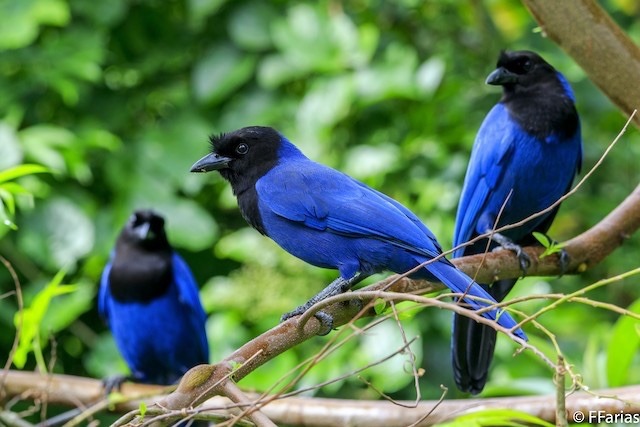
Monday, March 23, 2020

THE BLACK-FOOTED FERRETS

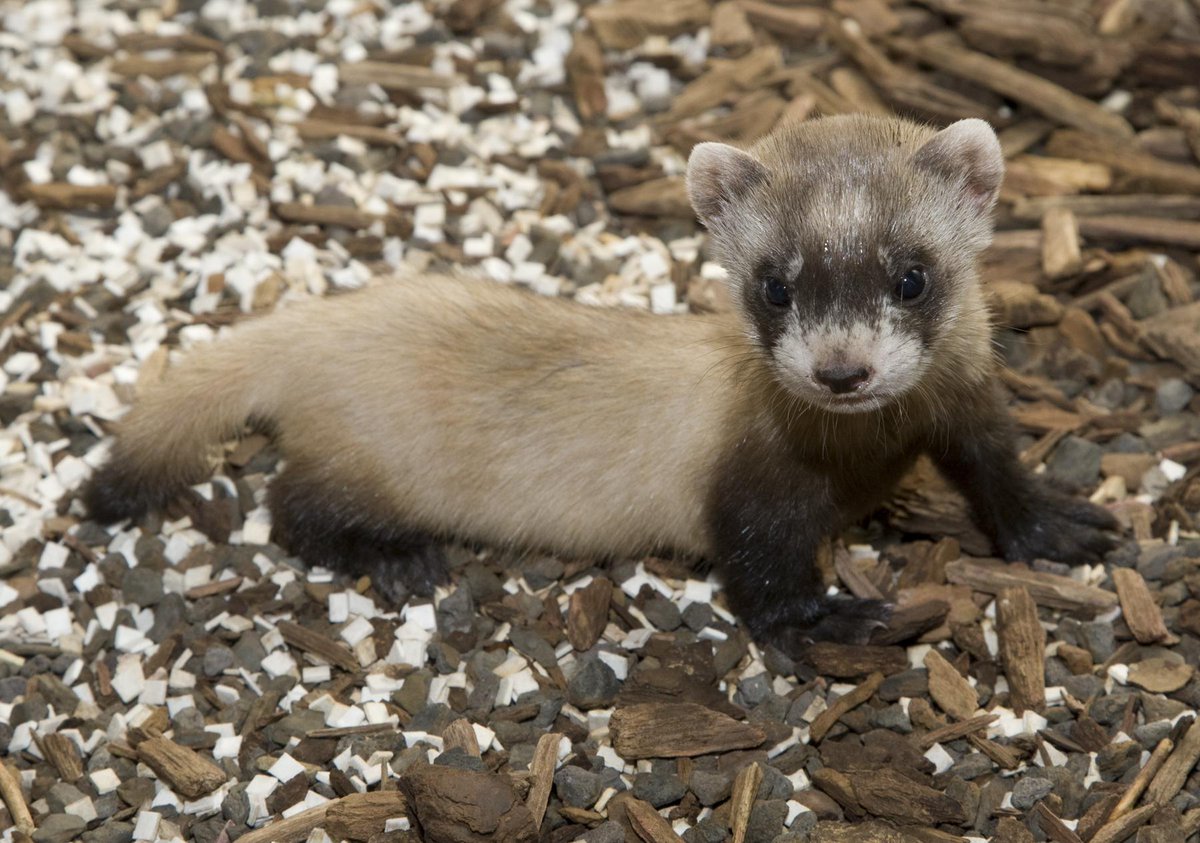
The black-footed ferret (Mustela nigripes), also known as the American polecat[2] or prairie dog hunter,[3] is a species of mustelid native to central North America. It is listed as endangered by the IUCN, because of its very small and restricted populations. The species declined throughout the 20th century, primarily as a result of decreases in prairie dog populations and sylvatic plague. It was declared extinct in 1979 until Lucille Hogg's dog brought a dead black-footed ferret to her door in Meeteetse, Wyoming, in 1981.[4] That remnant population of a few dozen ferrets lasted there until the animals were considered extinct in the wild in 1987. However, a captive-breeding program launched by the United States Fish and Wildlife Service resulted in its reintroduction into eight western US states, Canada, and Mexico from 1991 to 2009. Now, over 1,000 mature, wild-born individuals are in the wild across 18 populations, with five self-sustaining populations in South Dakota (two), Arizona, and Wyoming.[1][5] It was first listed as "endangered" in 1982, then listed as "extinct in the wild" in 1996 before being downgraded back to "endangered" in 2008.[6]
The black-footed ferret is roughly the size of a mink, and differs from the European polecat by the greater contrast between its dark limbs and pale body and the shorter length of its black tail-tip. In contrast, differences between the black-footed ferret and the steppe polecat of Asia are slight, to the point where the two species were once thought to be conspecific.[7] The only noticeable differences between the black-footed ferret and the steppe polecat are the former's much shorter and coarser fur, larger ears, and longer postmolar extension of the palate.[8]
It is largely nocturnal and solitary, except when breeding or raising litters.[9][10] Up to 91% of its diet is composed of prairie dogs.[11][12]
The black‐footed ferret experienced a recent population bottleneck in the wild followed by a more than 30-year recovery through ex situ breeding and then reintroduction into its native range. As such, this sole endemic North American ferret allows examining the impact of a severe genetic restriction on subsequent biological form and function, especially on reproductive traits and success. The black‐footed ferret was listed as endangered by the United States Fish and Wildlife Service (USFWS) in 1967. Declared extinct in 1979, a residual wild population was discovered in Meeteetse, Wyoming, in 1981. This cohort eventually grew to 130 individuals and was then nearly extirpated by sylvatic plague Yersinia pestis and canine distemper virus Canine morbillivirus,[13] with eventually 18 animals remaining.[14] These survivors were captured from 1985 to 1987 to serve as the foundation for the black‐footed ferret ex situ breeding program. Seven of those 18 animals produced offspring that survived and reproduced, and with currently living descendants, are the ancestors of all black‐footed ferrets now in the ex situ (about 320) and in situ (about 300) populations.[15]


Like its close relative, the Asian steppe polecat (with which it was once thought to be conspecific), the black-footed ferret represents a more progressive form than the European polecat in the direction of carnivory.[2] The black-footed ferret's most likely ancestor was Mustela stromeri (from which the European and steppe polecats are also derived), which originated in Europe during the Middle Pleistocene.[16] Molecular evidence indicates that the steppe polecat and black-footed ferret diverged from M. stromeri between 500,000 and 2,000,000 years ago, perhaps in Beringia. The species appeared in the Great Basin and the Rockies by 750,000 years ago. The oldest recorded fossil find originates from Cathedral Cave, White Pine County, Nevada, and dates back to 750,000–950,000 years ago.[17] Prairie dog fossils have been found in six sites where ferrets are yielded, thus indicating that the association between the two species is an old one.[7] Anecdotal observations and 42% of examined fossil records indicated that any substantial colony of medium- to large-sized colonial ground squirrels, such as Richardson's ground squirrels, may provide a sufficient prey base and a source of burrows for black-footed ferrets. This suggests that the black-footed ferret and prairie dogs did not historically have an obligate predator-prey relationship.[17] The species has likely always been rare, and the modern black-footed ferret represents a relic population. A reported occurrence of the species is from a late Illinoian deposit in Clay County, Nebraska, and is further recorded from Sangamonian deposits in Nebraska and Medicine Hat. Fossils have also been found in Alaska dating from the Pleistocene.[7][16]
  Related image

 Description

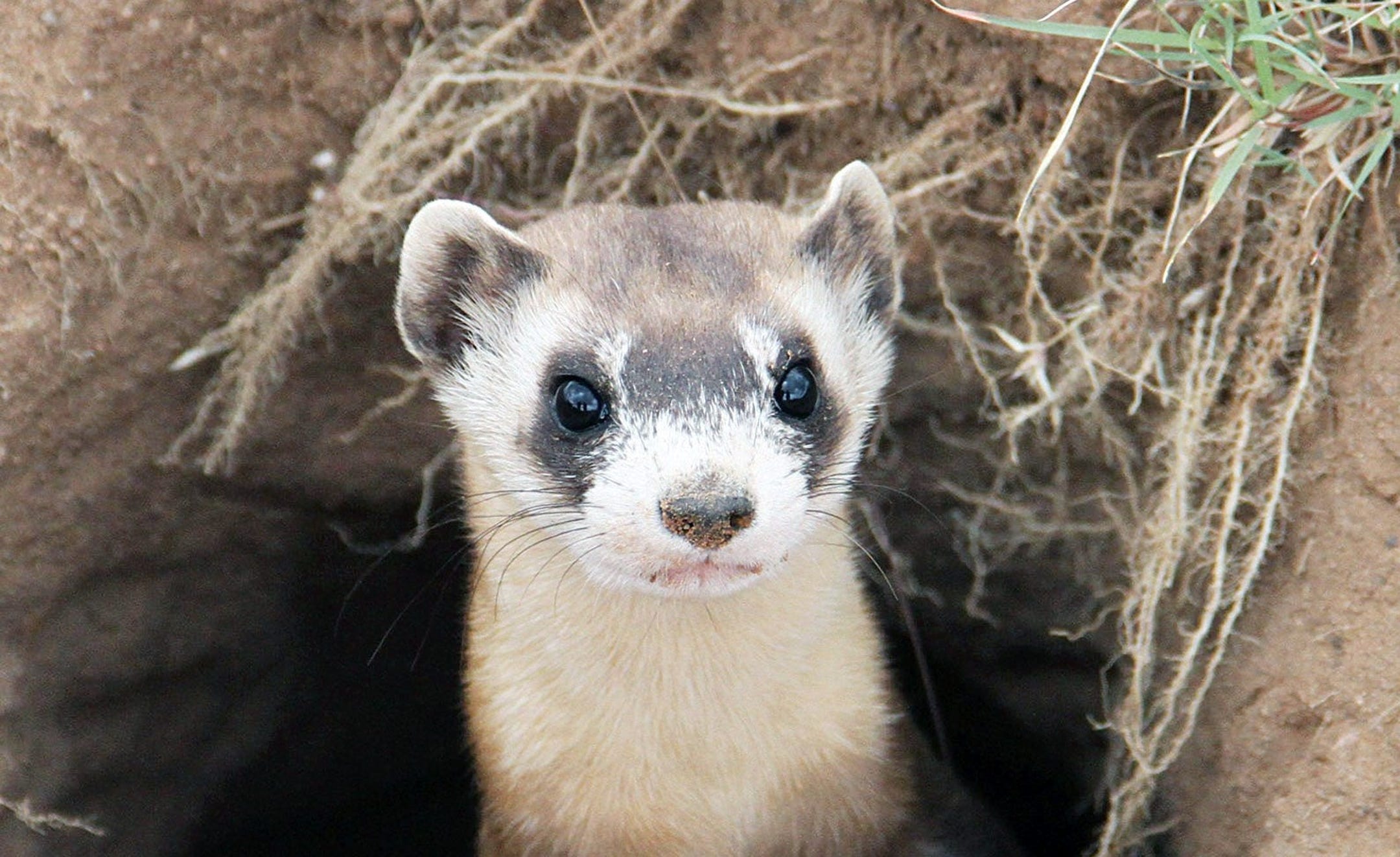
Black-footed ferret at the Louisville Zoo
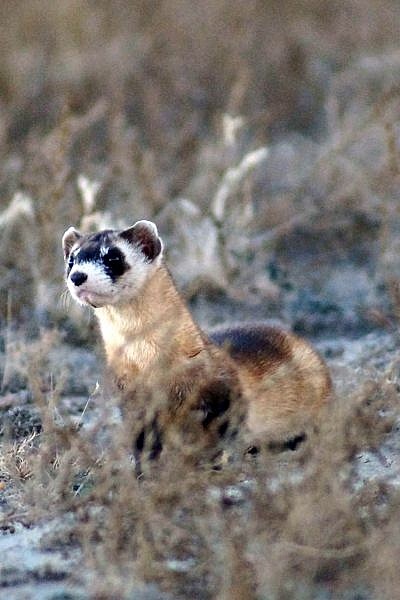
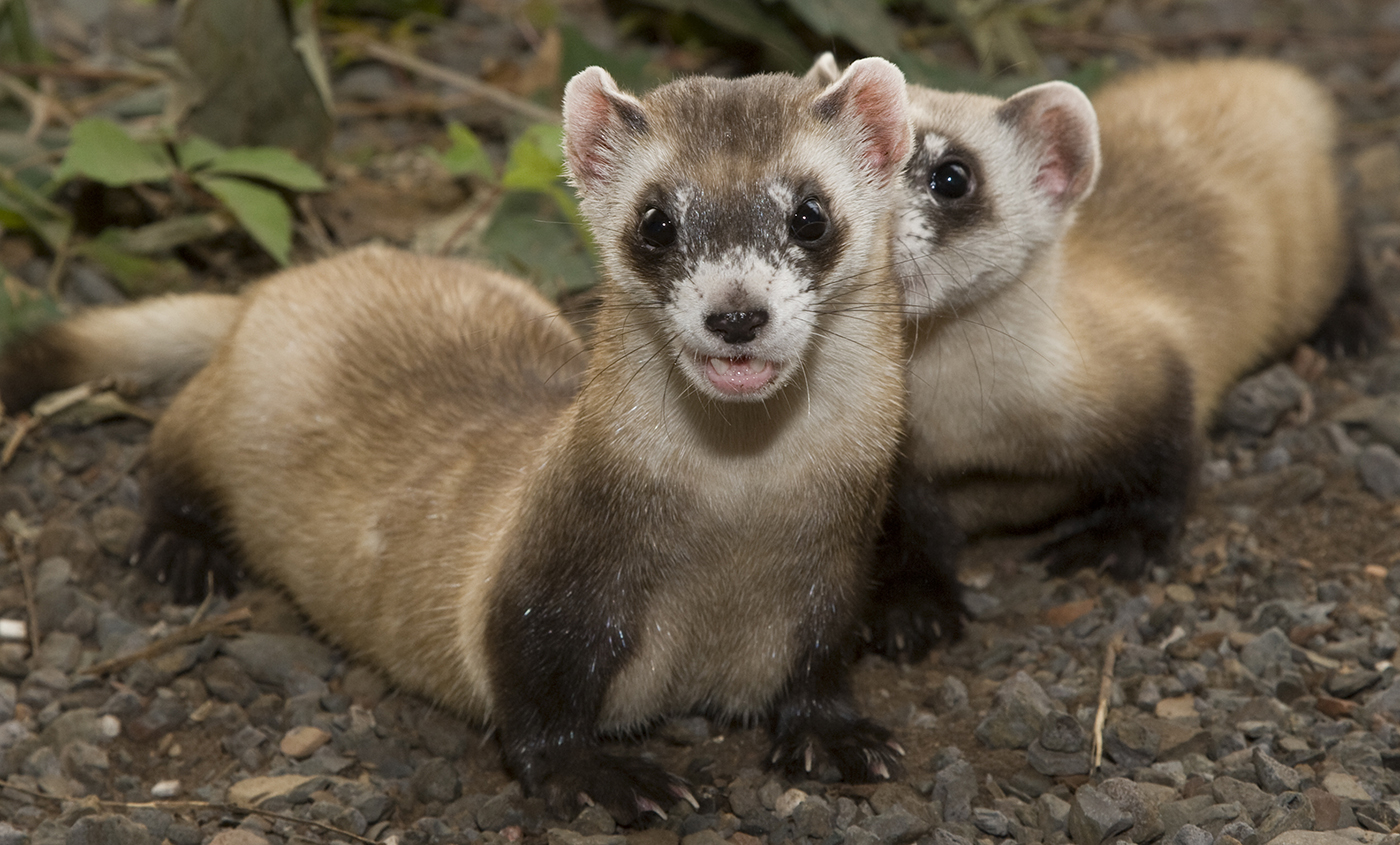
The black-footed ferret has a long, slender body with black outlines such as the feet, ears, parts of the face and its tail. The forehead is arched and broad, and the muzzle is short. It has few whiskers, and its ears are triangular, short, erect and broad at the base. The neck is long and the legs short and stout. The toes are armed with sharp, very slightly arched claws. The feet on both surfaces are covered in hair, even to the soles, thus concealing the claws.[18] It combines several physical features common in both members of the subgenus Gale (least, short-tailed and long-tailed weasels) and Putorius (European and steppe polecats). Its skull resembles that of polecats in its size, massiveness and the development of its ridges and depressions, though it is distinguished by the extreme degree of constriction behind the orbits where the width of the cranium is much less than that of the muzzle. Although similar in size to polecats, its attenuate body, long neck, very short legs, slim tail, large orbicular ears and close-set pelage is much closer in conformation to weasels and stoats.[19] The dentition of the black-footed ferret closely resembles that of the European and steppe polecat, though the back lower molar is vestigial, with a hemispherical crown which is too small and weak to develop the little cusps which are more apparent in polecats.[19]
Males measure 500–533 millimetres (19.7–21.0 in) in body length and 114–127 millimetres (4.5–5.0 in) in tail length, thus constituting 22–25% of its body length. Females are typically 10% smaller than males.[7] It weighs 650–1,400 grams (1.43–3.09 lb).[20] Captive-bred ferrets used for the reintroduction projects were found to be smaller than their wild counterparts, though these animals rapidly attained historical body sizes once released.[21]
The base color is pale yellowish or buffy above and below. The top of the head and sometimes the neck is clouded by dark-tipped hairs. The face is crossed by a broad band of sooty black, which includes the eyes. The feet, lower parts of the legs, the tip of the tail and the preputial region are sooty-black. The area midway between the front and back legs is marked by a large patch of dark umber-brown, which fades into the buffy surrounding parts. A small spot occurs over each eye, with a narrow band behind the black mask. The sides of the head and the ears are dirty-white in color.[8]
Related image


Behavior and ecology

  Related image

 Territorial behavior

Black-footed ferret performing a weasel war dance
The black-footed ferret is solitary, except when breeding or raising litters.[9][10] It is nocturnal[9][22] and primarily hunts for sleeping prairie dogs in their burrows.[23] It is most active above ground from dusk to midnight and 4 am to mid-morning.[12] Aboveground activity is greatest during late summer and early autumn when juveniles become independent.[12] Climate generally does not limit black-footed ferret activity,[10][12] but it may remain inactive inside burrows for up to 6 days at a time during winter.[24]
Female black-footed ferrets have smaller home ranges than males. Home ranges of males may sometimes include the home ranges of several females.[10] Adult females usually occupy the same territory every year. A female that was tracked from December to March occupied 39.5 acres (16 ha). Her territory was overlapped by a resident male that occupied 337.5 acres (137 ha) during the same period. The average density of black-footed ferrets near Meeteetse, Wyoming, is estimated at one black-footed ferret to 148 acres (60 ha). As of 1985, 40 to 60 black-footed ferrets occupied a total of 6,178 to 7,413 acres (2,500 to 3,000 ha) of white-tailed prairie dog habitat.[9] From 1982 to 1984, the average year-round movement of 15 black-footed ferrets between white-tailed prairie dog colonies was 1.6 miles/night (2.5 km) (with a spread of 1.1 miles or 1.7 km). Movement of black-footed ferrets between prairie dog colonies is influenced by factors including breeding activity, season, sex, intraspecific territoriality, prey density, and expansion of home ranges with declining population density.[10][25] Movements of black-footed ferrets have been shown to increase during the breeding season; however, snow-tracking from December to March over a 4-year period near Meeteetse, Wyoming revealed that factors other than breeding were responsible for movement distances.[10]
Temperature is positively correlated with distance of black-footed ferret movement.[10] Snow-tracking from December to March over a 4-year period near Meeteetse, Wyoming, revealed that movement distances were shortest during winter and longest between February and April, when black-footed ferrets were breeding and white-tailed prairie dogs emerged from hibernation. Nightly movement distance of 170 black-footed ferrets averaged 0.87 miles (1.40 km) (range 0.001 to 6.91 miles (0.0016 to 11.1206 kilometres)). Nightly activity areas of black-footed ferrets ranged from 1 to 337.5 acres (0 to 137 ha)), and were larger from February to March (110.2 acres (45 ha)) than from December to January (33.6 acres (14 ha)).[10] Adult females establish activity areas based on access to food for rearing young. Males establish activity areas to maximize access to females, resulting in larger activity areas than those of females.[10]
Prey density may account for movement distances. Black-footed ferrets may travel up to 11 miles (18 km) to seek prey, suggesting that they will interchange freely among white-tailed prairie dog colonies that are less than 11 miles (18 km) apart. In areas of high prey density, black-footed ferret movements were nonlinear in character, probably to avoid predators.[10] From December to March over a 4-year study period, black-footed ferrets investigated 68 white-tailed prairie dog holes per 1 mile (1.6 km) of travel/night. Distance traveled between white-tailed prairie dog burrows from December to March averaged 74.2 feet (22.6 m) over 149 track routes.[10]

Reproduction and development

Black-footed ferret kits
The reproductive physiology of the black-footed ferret is similar to that of the European polecat and the steppe polecat. It is probably polygynous, based on data collected from home range sizes, skewed sex ratios, and sexual dimorphism.[10][25] Mating occurs in February and March.[10][24] When a male and female in estrus encounter each other, the male sniffs the genital region of the female, but does not mount her until after a few hours have elapsed, which is contrast to the more violent behavior displayed by the male European polecat. During copulation, the male grasps the female by the nape of the neck, with the copulatory tie lasting from 1.5–3.0 hours.[7] Unlike other mustelids, the black-footed ferret is a habitat specialist with low reproductive rates.[25] In captivity, gestation of black-footed ferrets lasts 42–45 days. Litter size ranges from one to five kits.[22] Kits are born in May and June[26] in prairie dog burrows.[9] Kits are altricial and are raised by their mother for several months after birth. Kits first emerge above ground in July, at 6 weeks old.[12][25][26] They are then separated into individual prairie dog burrows around their mother's burrow.[12] Kits reach adult weight and become independent several months following birth, from late August to October.[12][25] Sexual maturity occurs at one year of age.[12]
Intercolony dispersal of juvenile black-footed ferrets occurs several months after birth, from early September to early November. Dispersal distances may be short or long. Near Meeteetse, Wyoming, 9 juvenile males and three juvenile females dispersed 1 to 4 mi (1.6 to 6.4 km) following litter breakup. Four juvenile females dispersed a short distance (<0.2 mi (0.32 km)), but remained on their natal area.[25]

Diet

Black-footed ferret chasing prairie dog
Up to 91% of the black-footed ferret's diet is composed of prairie dogs.[11][12] Their diet varies depending on geographic location. In western Colorado, Utah, Wyoming, and Montana, black-footed ferrets historically associated with white-tailed prairie dogs and were forced to find alternative prey when white-tailed prairie dogs entered their four-month hibernation cycle.[22] In Wyoming, alternative prey items consumed during white-tailed prairie dog hibernation included voles (Microtus spp.) and mice (Peromyscus and Mus spp.) found near streams. In South Dakota, black-footed ferrets associate with black-tailed prairie dogs. Because black-tailed prairie dogs do not hibernate, little seasonal change in black-footed ferret diet is necessary.[10][22]

Image result for the black footed ferret


In Mellette County, South Dakota, black-tailed prairie dog remains occurred in 91% of 82 black-footed ferret scats. Mouse remains occurred in 26% of scats. Mouse remains could not be identified to species; however, deer mice, northern grasshopper mice, and house mice were captured in snap-trap surveys. Potential prey items included thirteen-lined ground squirrels, plains pocket gophers, mountain cottontails, upland sandpipers, horned larks, and western meadowlarks.[12]
Based on 86 black-footed ferret scats found near Meeteetse, Wyoming, 87% of their diet was composed of white-tailed prairie dogs. Other food items included deer mice, sagebrush voles, meadow voles, mountain cottontails, and white-tailed jackrabbits. Water is obtained through consumption of prey.[9]
A study published in 1983 modeling metabolizable energy requirements estimated that one adult female black-footed ferret and her litter require about 474 to 1,421 black-tailed prairie dogs per year or 412 to 1,236 white-tailed prairie dogs per year for sustenance. They concluded that this dietary requirement would require protection of 91 to 235 acres (37 to 95 ha) of black-tailed prairie dog habitat or 413 to 877 acres (167 to 355 ha) of white-tailed prairie dog habitat for each female black-footed ferret with a litter.[27]

  Related image


Distribution and habitat


 Related image


The historical range of the black-footed ferret was closely correlated with, but not restricted to, the range of prairie dogs (Cynomys spp.). Its range extended from southern Alberta and southern Saskatchewan south to Texas, New Mexico, and Arizona.[7] As of 2007, the only known wild black-footed ferret population was located on approximately 6,000 acres (2,400 hectares) in the western Big Horn Basin near Meeteetse, Wyoming.[9][10][11][24][25] Since 1990, black-footed ferrets have been reintroduced to the following sites: Shirley Basin, Wyoming; UL Bend National Wildlife Refuge and Fort Belknap Indian Reservation, Montana; Conata Basin/Badlands, Buffalo Gap National Grassland, and the Cheyenne River Sioux Reservation in South Dakota; Aubrey Valley, Arizona; Rocky Mountain Arsenal National Wildlife Refuge and Wolf Creek in Colorado; Coyote Basin, straddling Colorado and Utah, northern Chihuahua, Mexico,[26] and Grasslands National Park, Canada [28]
Historical habitats of the black-footed ferret included shortgrass prairie, mixed-grass prairie, desert grassland, shrub steppe, sagebrush steppe,[25] mountain grassland, and semi-arid grassland.[7] Black-footed ferrets use prairie dog burrows for raising young, avoiding predators, and thermal cover.[9][12] Six black-footed ferret nests found near Mellette County, South Dakota, were lined with buffalo grass, prairie threeawn, sixweeks grass, and cheatgrass. High densities of prairie dog burrows provide the greatest amount of cover for black-footed ferrets.[9][10] Black-tailed prairie dog colonies contain a greater burrow density per acre than white-tailed prairie dog colonies, and may be more suitable for the recovery of black-footed ferrets.[9] The type of prairie dog burrow may be important for occupancy by black-footed ferrets. Black-footed ferret litters near Meeteetse, Wyoming, were associated with mounded white-tailed prairie dog burrows, which are less common than non-mounded burrows. Mounded burrows contain multiple entrances and probably have a deep and extensive burrow system that protects kits.[9] However, black-footed ferrets used non-mounded prairie dog burrows (64%) more often than mounded burrows (30%) near Meeteetse, Wyoming.[10]
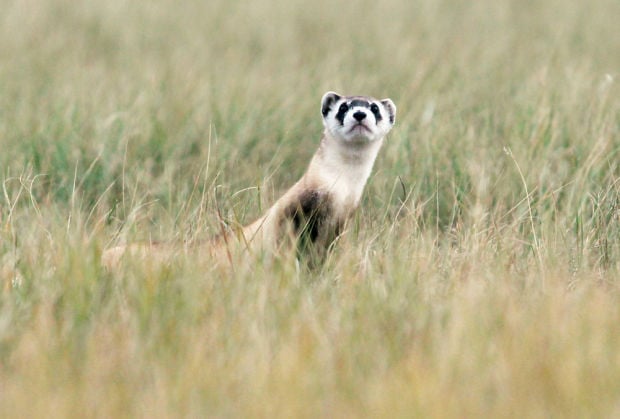
  Image result for the black footed ferret


Mortality

 Related image


Primary causes of mortality include habitat loss, human-introduced diseases, and indirect poisoning from prairie dog control measures.[12][22][24][26] Annual mortality of juvenile and adult black-footed ferrets over a 4-year period ranged from 59 to 83% (128 individuals) near Meeteetse, Wyoming.[25] During fall and winter, 50 to 70% of juveniles and older animals perish.[25] Average lifespan in the wild is probably only one year, but may be up to five years. Males have higher rates of mortality than females because of longer dispersal distances when they are most vulnerable to predators.[25]
Given an obligate dependence of black-footed ferrets on prairie dogs, black-footed ferrets are extremely vulnerable to prairie dog habitat loss. Habitat loss results from agriculture, livestock use, and other development.[26]
Black-footed ferrets are susceptible to numerous diseases. They are fatally susceptible to canine distemper virus,[7][25] introduced by striped skunks, common raccoons, red foxes, coyotes, and American badgers.[24] A short-term vaccine for canine distemper is available for captive black-footed ferrets, but no protection is available for young born in the wild. Black-footed ferrets are also susceptible to rabies, tularemia, and human influenza. They can directly contract sylvatic plague (Yersinia pestis), and epidemics in prairie dog towns may completely destroy the ferrets' prey base.[29]
Predators of black-footed ferrets include golden eagles, great horned owls, coyotes, American badgers, bobcats, prairie falcons, ferruginous hawks, and prairie rattlesnakes.[12][24][25]
Oil and natural gas exploration and extraction can have detrimental impacts on prairie dogs and black-footed ferrets. Seismic activity collapses prairie dog burrows. Other problems include potential leaks and spills, increased roads and fences, increased vehicle traffic and human presence, and an increased number of raptor perching sites on power poles. Traps set for coyotes, American mink, and other animals may harm black-footed ferrets.[11]

History

Native American tribes, including the Crow, Blackfoot, Sioux, Cheyenne, and Pawnee, used black-footed ferrets for religious rites and for food.[22] The species was not encountered during the Lewis and Clark Expedition, nor was it seen by Nuttall or Townsend, and it did not become known to modern science until it was first described in Jake Audubon and Bachman's Viviparous Quadrupeds of North America in 1851.[30]
It is with great pleasure that we introduce this handsome new species; ... [it] inhabits the wooded parts of the country to the Rocky Mountains, and perhaps is found beyond that range... When we consider the very rapid manner in which every expedition that has crossed the Rocky Mountains, has been pushed forward, we cannot wonder that many species have been entirely overlooked... The habits of this species resemble, as far as we have learned, those of [the European polecat]. It feeds on birds, small reptiles and animals, eggs, and various insects, and is a bold and cunning foe to the rabbits, hares, grouse, and other game of our western regions.
— Audubon and Bachman (1851)[30]

Decline

For a time, the black-footed ferret was harvested for the fur trade, with the American Fur Company having received 86 ferret skins from Pratt, Chouteau, and Company of St. Louis in the late 1830s. During the early years of predator control, black-footed ferret carcasses were likely discarded, as their fur was of low value. This likely continued after the passing of the Endangered Species Act of 1973, for fear of reprisals. The large drop in black-footed ferret numbers began during the 1800s through to the 1900s, as prairie dog numbers declined because of control programs and the conversion of prairies to croplands. Sylvatic plague, a disease caused by Yersinia pestis introduced into North America, also contributed to the prairie dog die-off, though ferret numbers declined proportionately more than their prey, thus indicating other factors may have been responsible. Plague was first detected in South Dakota in a coyote in 2004, and then in about 50,000 acres of prairie dogs on Pine Ridge Reservation in 2005. Thereafter 7,000 acres of prairie dog colonies were treated with insecticide (DeltaDust) and 1,000 acres of black-footed ferret habitat were prophylactically dusted in Conata Basin in 2006–2007. Nevertheless, plague was proven in ferrets in May 2008. Since then each year 12,000 acres of their Conata Basin habitat is dusted and about 50–150 ferrets are immunized with plague vaccine.[31] Inbreeding depression may have also contributed, as studies on black-footed ferrets from Meeteetse, Wyoming revealed low levels of genetic variation. Canine distemper devastated the Meeteetse ferret population in 1985. A live virus vaccine originally made for domestic ferrets killed large numbers of black-footed ferrets, thus indicating that the species is especially susceptible to distemper.[20]

Reintroduction and conservation

Ferret in the wild, July 2008
The black-footed ferret is an example of a species that benefits from strong reproductive science.[32] A captive-breeding program was initiated in 1987, capturing 18 living individuals and using artificial insemination. This is one of the first examples of assisted reproduction contributing to conservation of an endangered species in nature.[32] The U.S. Fish and Wildlife Service, state and tribal agencies, private landowners, conservation groups, and North American zoos have actively reintroduced ferrets back into the wild since 1991. Beginning in Shirley Basin[33] in Eastern Wyoming, reintroduction expanded to Montana, 6 sites in South Dakota in 1994, Arizona, Utah, Colorado, Saskatchewan, Canada and Chihuahua, Mexico. The Toronto Zoo has bred hundreds, most of which were released into the wild.[34] Several episodes of Zoo Diaries show aspects of the tightly controlled breeding. In May 2000, the Canadian Species at Risk Act listed the black-footed ferret as being an extirpated species in Canada.[35] A population of 35 animals was released into Grasslands National Park in southern Saskatchewan on October 2, 2009,[36] and a litter of newborn kits was observed in July 2010.[37] Reintroduction sites have experienced multiple years of reproduction from released individuals.
Ferret kit at the National Black-footed Ferret Conservation Center in Colorado
The black-footed ferret was first listed as endangered in 1967 under the Endangered Species Preservation Act, and was relisted on January 4, 1974, under the Endangered Species Act. In September 2006, South Dakota's ferret population was estimated to be around 420, with 250 (100 breeding adults consisting of 67 females and 33 males) in Eagle Butte, South Dakota, which is 100,000 acres, less than 3% of the public grasslands in South Dakota, 70 miles east of Rapid City, South Dakota, in the Buffalo Gap National Grassland bordering Badlands National Park, 130 ferrets northeast of Eagle Butte, SD, on Cheyenne River Indian Reservation, and about 40 ferrets on the Rosebud Indian Reservation.[38] Arizona's Aubrey Valley ferret population was well over 100 and a second reintroduction site with around 50 animals is used. An August 2007 report in the journal Science counted a population of 223 in one area of Wyoming (the original number of reintroduced ferrets, most of which died, was 228), and an annual growth rate of 35% from 2003–2006 was estimated.[39][40] This rate of recovery is much faster than for many endangered species, and the ferret seems to have prevailed over the previous problems of disease and prey shortage that hampered its improvement.[40] As of 2007, the total wild population of black-footed ferrets in the U.S. was well over 650 individuals, plus 250 in captivity. In 2008, the IUCN reclassified the species as "globally endangered", a substantial improvement since the 1996 assessment, when it was considered extinct in the wild, as the species was indeed only surviving in captivity.
As of 2013, about 1,200 ferrets are thought to live in the wild.[41]
Conservation efforts have been opposed by stock growers and ranchers, who have traditionally fought prairie dogs. In 2005, the U.S. Forest Service began poisoning prairie dogs in private land buffer zones of the Conata Basin of Buffalo Gap National Grassland. Because 10–15 ranchers complained the measure was inadequate, the forest service advised by Mark Rey, then Undersecretary of Agriculture, expanded its "prairie-dog management" in September 2006 to all of South Dakota's Buffalo Gap and the Fort Pierre National Grassland, and also to the Oglala National Grassland in Nebraska, against opinions of biologists in the U.S. Fish and Wildlife Service. Following exposure by conservation groups including the Climate, Community & Biodiversity Alliance and national media[42] public outcry and a lawsuit mobilized federal officials, and the poisoning plan was revoked.
The contradictory mandates of the two federal agencies involved, the USFWS and the U.S. Forest Service, are exemplified in what the Rosebud Sioux tribe experienced: The ferret was reintroduced by the USFWS, which according to the tribe promised to pay more than $1 million a year through 2010. On the other hand, the tribe was also contracted for the U.S. Forest Service prairie dog poisoning program. The increasing numbers of ferrets led to conflicts between the tribe's Cheyenne River Sioux Tribe Game, Fish and Parks Department and the Tribal Land Enterprise Organization. When the federal government started an investigation of the tribe's prairie dog management program, threatening to prosecute tribal employees or agents carrying out the management plan in the ferret reintroduction area, the tribal council passed a resolution in 2008, asking the two federal agencies to remove ferrets, and reimburse the tribe for its expenses for the ferret recovery program.[43]


Mustela nigripes
(Audubon & Bachman, 1851


Black-footed Ferret range.png


 Black-footed ferret range (three small areas on US territory)


Saturday, March 14, 2020

THE RUFOUR TREEPIE

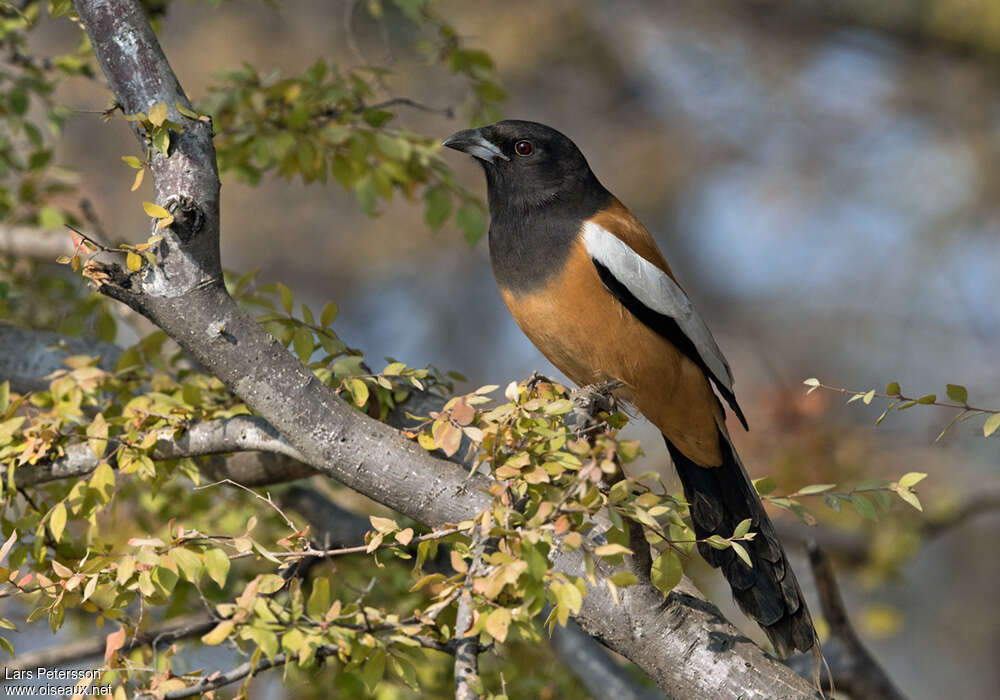
The rufous treepie (Dendrocitta vagabunda) is a treepie, native to the Indian Subcontinent and adjoining parts of Southeast Asia. It is a member of the crow family, Corvidae. It is long tailed and has loud musical calls making it very conspicuous. It is found commonly in open scrub, agricultural areas, forests as well as urban gardens. Like other corvids it is very adaptable, omnivorous and opportunistic in feeding.


The sexes are alike and the main colour of the body is cinnamon with a black head and the long graduated tail is bluish grey and is tipped in black. The wing has a white patch. The only confusable species is the grey treepie which however lacks the bright rufous mantle. The bill is stout with a hooked tip. The underparts and lower back are a warm tawny-brown to orange-brown in colour with white wing coverts and black primaries. The bill, legs and feet are black.[2]
The widespread populations show variations and several subspecies are recognized. The nominate subspecies is found in the northeastern part of peninsular India south to Hyderabad. The desert form is paler and called pallida, vernayi of the Eastern Ghats is brighter while parvula of the Western Ghats is smaller in size.[2] The form in Afghanistan and Pakistan is bristoli while the form in southern Thailand is saturatior. E C Stuart Baker describes sclateri from the upper Chindwin to the Chin Hills and kinneari from southern Myanmar and northwest Thailand.[3] The population in eastern Thailand an Indochina is sakeratensis.[4]

  Distribution

 Image result for RUFOUS TREEPIE

 Related image

 The range of this species is quite large, covering all of mainland India up to the Himalayas, Pakistan and southeasterly in a broad band into Bangladesh, Burma (Myanmar), Laos, and Thailand in open forest consisting of scrub, plantations and gardens. In the Himalayas, they make seasonal altitudinal movements.[5]

  Image result for RUFOUS TREEPIE

 Behaviour and ecology


 Related image


The rufous treepie is primarily an arboreal omnivore feeding on fruits, nectar (of Bombax ceiba[6]) seeds,[7] invertebrates, small reptiles and the eggs and young of birds;[8] it has also been known to take flesh from recently killed carcasses. It is an agile forager, clinging and clambering through the branches and sometimes joining mixed hunting parties along with species such as drongos and babblers. They are known to be a cleaning symbiont of deer, feeding on ectoparasites of sambar which permit them to perch and position themselves to invite the birds to examine specific parts.[9][10] Like many other corvids they are known to cache food.[11] They have been considered to be beneficial to palm cultivation in southern India due to their foraging on the grubs of the destructive weevil Rhynchophorus ferrugineus.[12] They are known to feed on the fruits of Trichosanthes tricuspidata which are toxic to mammals.[13]
The breeding season in India is April to June. In Bengal, the peak is in April and May with heightened levels of pineal gland activity and serotonin production.[14] The nest is built in trees and bushes and is usually a shallow platform. There are usually 3-5 eggs laid.[15][16]
This species has a wide repertoire of calls, but a bob-o-link or ko-tree call is most common.[2] A local name for this bird kotri is derived from the typical call while other names include Handi Chancha and taka chor (="coin thief").[13][17]
A blood parasitic protozoan Trypanosoma corvi[18] and Babesia has been reported from this species.[19] Trematode parasites, Haplorchis vagabundi, have been found in their intestines.[20] An acanthocephalan parasite Centrorhynchus lancea is also known.[21] A species of quill mite Syringophiloidus dendrocittae is known to live in the feathers of rufous treepies.[22]


 Related image


 Related image
 

THE CORVIDAE

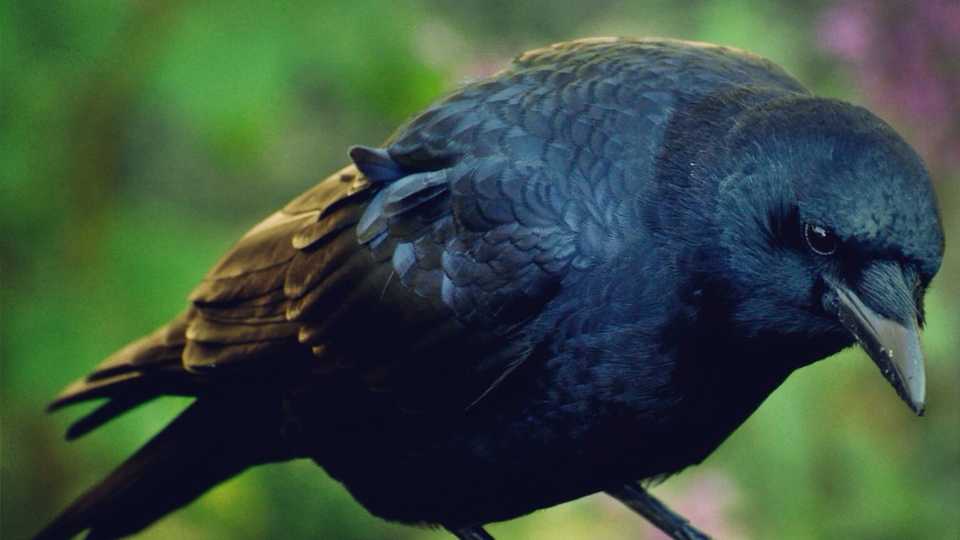
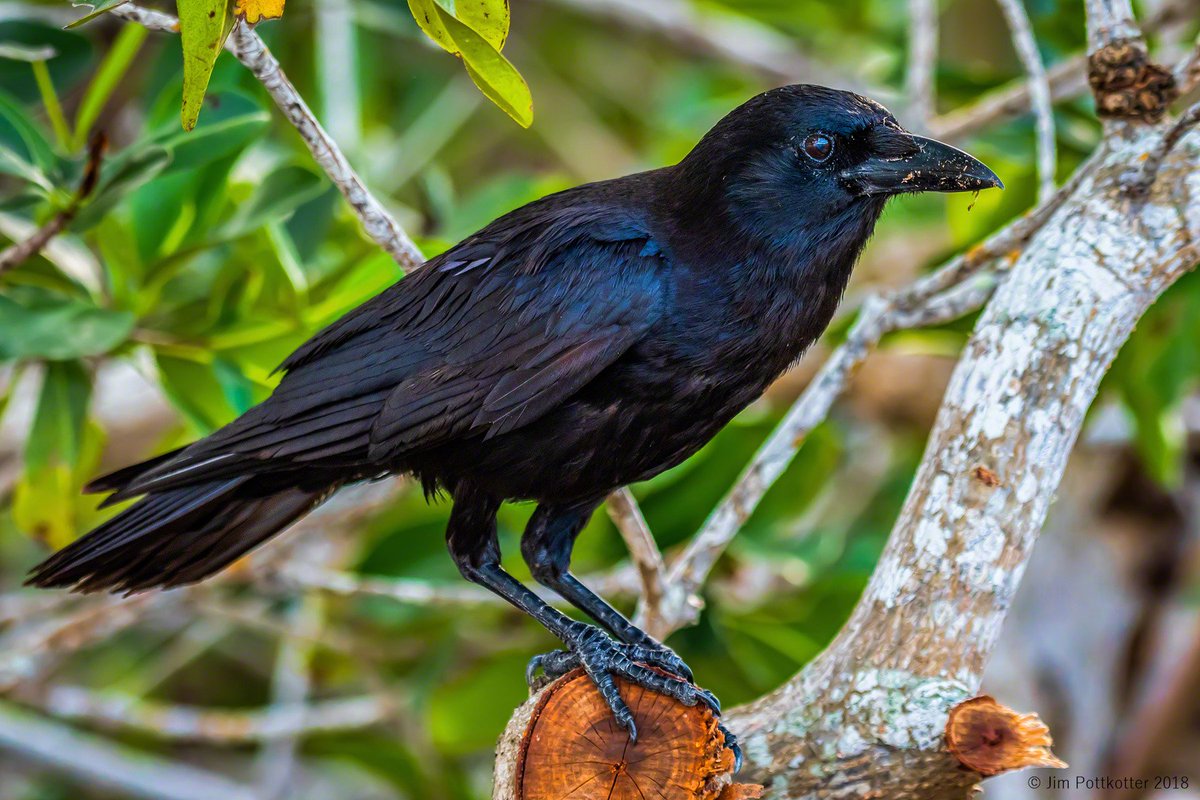
Corvidae is a cosmopolitan family of oscine passerine birds that contains the crows, ravens, rooks, jackdaws, jays, magpies, treepies, choughs, and nutcrackers.[1][2][3] In common English, they are known as the crow family, or, more technically, corvids. Over 120 species are described. The genus Corvus, including the jackdaws, crows, rooks, and ravens, makes up over a third of the entire family. Corvids are the largest passerines.
Corvids display remarkable intelligence for animals of their size and are among the most intelligent birds thus far studied.[4] Specifically, members of the family have demonstrated self-awareness in mirror tests (European magpies) and tool-making ability (e.g. crows and rooks[5]), skills which until recently were thought to be possessed only by humans and a few other higher mammals. Their total brain-to-body mass ratio is equal to that of non-human great apes and cetaceans, and only slightly lower than that of humans.[6]
They are medium to large in size, with strong feet and bills, rictal bristles, and a single moult each year (most passerines moult twice). Corvids are found worldwide except for the tip of South America and the polar ice caps.[3] The majority of the species are found in tropical South and Central America and in southern Asia, with fewer than 10 species each in Africa and Australasia. The genus Corvus has re-entered Australia in relatively recent geological prehistory, with five species and one subspecies there. Several species of raven have reached oceanic islands, and some of these species are now highly threatened with extinction or have already become extinct.

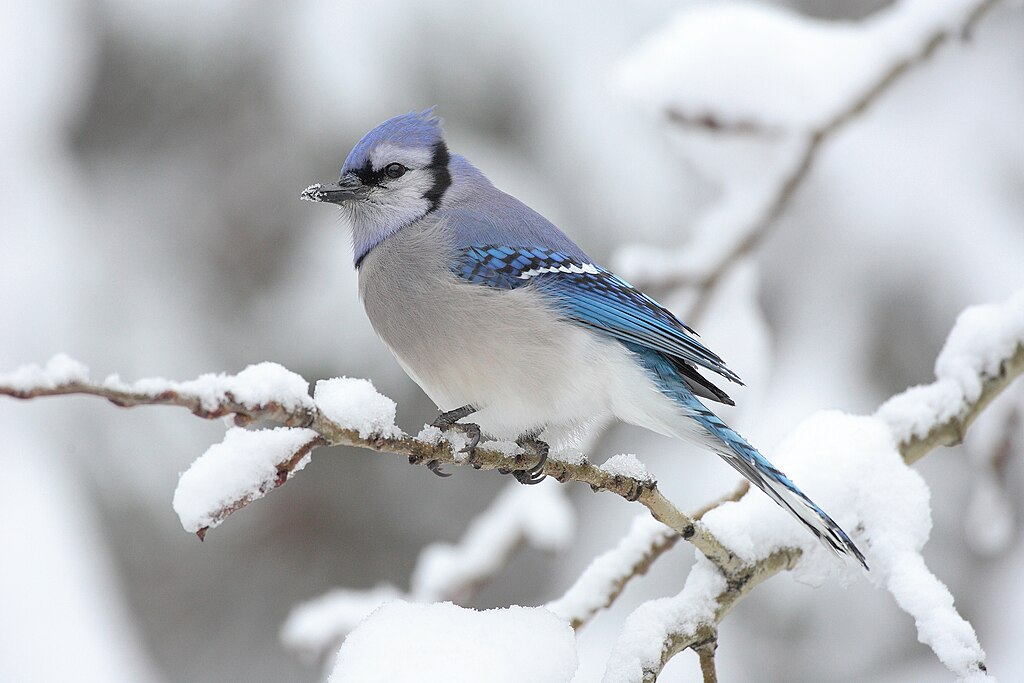
Blue jay

Cyanocitta cristata

Image result for Corvids

Systematics, taxonomy, and evolution


 Related image


The family Corvidae was introduced by the English zoologist William Elford Leach in a guide to the contents of the British Museum published in 1820.[7][8] Over the years, much disagreement has arisen on the exact evolutionary relationships of the corvid family and their relatives. What eventually seemed clear was that corvids are derived from Australasian ancestors[9] and from there spread throughout the world. Other lineages derived from these ancestors evolved into ecologically diverse, but often Australasian groups. In the late 1970s and throughout the 1980s, Sibley and Ahlquist united the corvids with other taxa in the Corvida, based on DNA–DNA hybridization. The presumed corvid relatives included currawongs, birds of paradise, whipbirds, quail-thrushes, whistlers, monarch flycatchers and drongos, shrikes, vireos, and vangas,[2] but current research favors the theory that this grouping is partly artificial. The corvids constitute the core group of the Corvoidea, together with their closest relatives (the birds of paradise, Australian mud-nesters, and shrikes). They are also the core group of the Corvida, which includes the related groups, such as Old World orioles and vireos.[10]
Crested Jays were thought to be in this family but may be a type of helmetshrike instead.
Clarification of the interrelationships of the corvids has been achieved based on cladistic analysis of several DNA sequences.[10][11] The jays and magpies do not constitute monophyletic lineages, but rather seem to split up into an American and Old World lineage, and an Holarctic and Oriental lineage, respectively. These are not closely related among each other. The position of the azure-winged magpie, which has always been a major enigma, is even less clear than before.[clarification needed]
The crested jay (Platylophus galericulatus) is traditionally included in the Corvidae, but might not be a true member of this family, possibly being closer to the helmetshrikes (Malaconotidae) or shrikes (Laniidae); it is best considered Corvidae incertae sedis for the time being.[1][12] Likewise, the Hume's ground "jay" (Pseudopodoces humilis) is in fact a member of the tit family Paridae.[13] The following tree represents current insights in the phylogeny of the Crow family according to J. Boyd.[14]
Corvidae
Pyrrhocoracinae Pyrrhocorax
Crypsirininae
Dendrocitta
Crypsirina
Temnurus
Platysmurus
Cissinae
Urocissa
Cissa
Perisoreinae
Perisoreus
Cyanopica
    Cyanocoracinae
Cyanocorax
Calocitta
Psilorhinus
Aphelocoma
Cyanocitta
Gymnorhinus
Cyanolyca
Corvinae
Corvus
Coloeus
Nucifraga
Pica
Garrulus
Podoces
Ptilostomus
Zavattariornis
Laniidae

 Related image


Fossil record

Related image


The earliest corvid fossils date to mid-Miocene Europe,[15] about 17 million years ago; Miocorvus and Miopica may be ancestral to crows and some of the magpie lineage, respectively, or similar to the living forms due to convergent evolution. The known prehistoric corvid genera appear to be mainly of the New World and Old World jay and Holarctic magpie lineages:
  • Miocorvus (Middle Miocene of Sansan, France)
  • Miopica (Middle Miocene of SW Ukraine)
  • Miocitta (Pawnee Creek Late Miocene of Logan County, US)
  • Corvidae gen. et sp. indet. (Edson Early Pliocene of Sherman County, US)[16]
  • Protocitta (Early Pleistocene of Reddick, US)
  • Corvidae gen. et sp. indet. (Early/Middle Pleistocene of Sicily) - probably belongs in an extant genus
  • Henocitta (Arredondo Clay Middle Pleistocene of Williston, US)
In addition, there are numerous fossil species of extant genera since the MioPliocene, mainly European Corvus.[a]

 Image result for Corvids


Morphology

 Image result for Corvids


Corvids are large to very large passerines with a robust build, strong legs and all species except the pinyon jay have nostrils covered by bristle-like feathers.[17] Many corvids of temperate zones have mainly black or blue coloured plumage; however, some are pied black and white, some have a blue-purple iridescence and many tropical species are brightly coloured. The sexes are very similar in color and size. Corvids have strong, stout bills and large wingspans. The family includes the largest members of the passerine order.
The smallest corvid is the dwarf jay (Aphelocoma nana), at 41 g (1.4 oz) and 21.5 cm (8.5 in). The largest corvids are the common raven (Corvus corax) and the thick-billed raven (Corvus crassirostris), both of which regularly exceed 1,400 grams (3.1 pounds) and 65 cm (26 in).
Species can be identified based on size, shape, and geography; however, some, especially the Australian crows, are best identified by their raucous calls.[2]

 Related image

 Ecology


Related image


Corvids occur in most climatic zones. Most are sedentary and do not migrate significantly. However, during a shortage of food, irruptive migration can occur.[2] When species are migratory, they will form large flocks in the fall (around August in the Northern Hemisphere) and travel south.[18]
One reason for the success of crows, compared to ravens, is their ability to overlap breeding territory. During breeding season, crows were shown to overlap breeding territory six times as much as ravens. This invasion of breeding ranges allowed a related increase in local population density.[19]
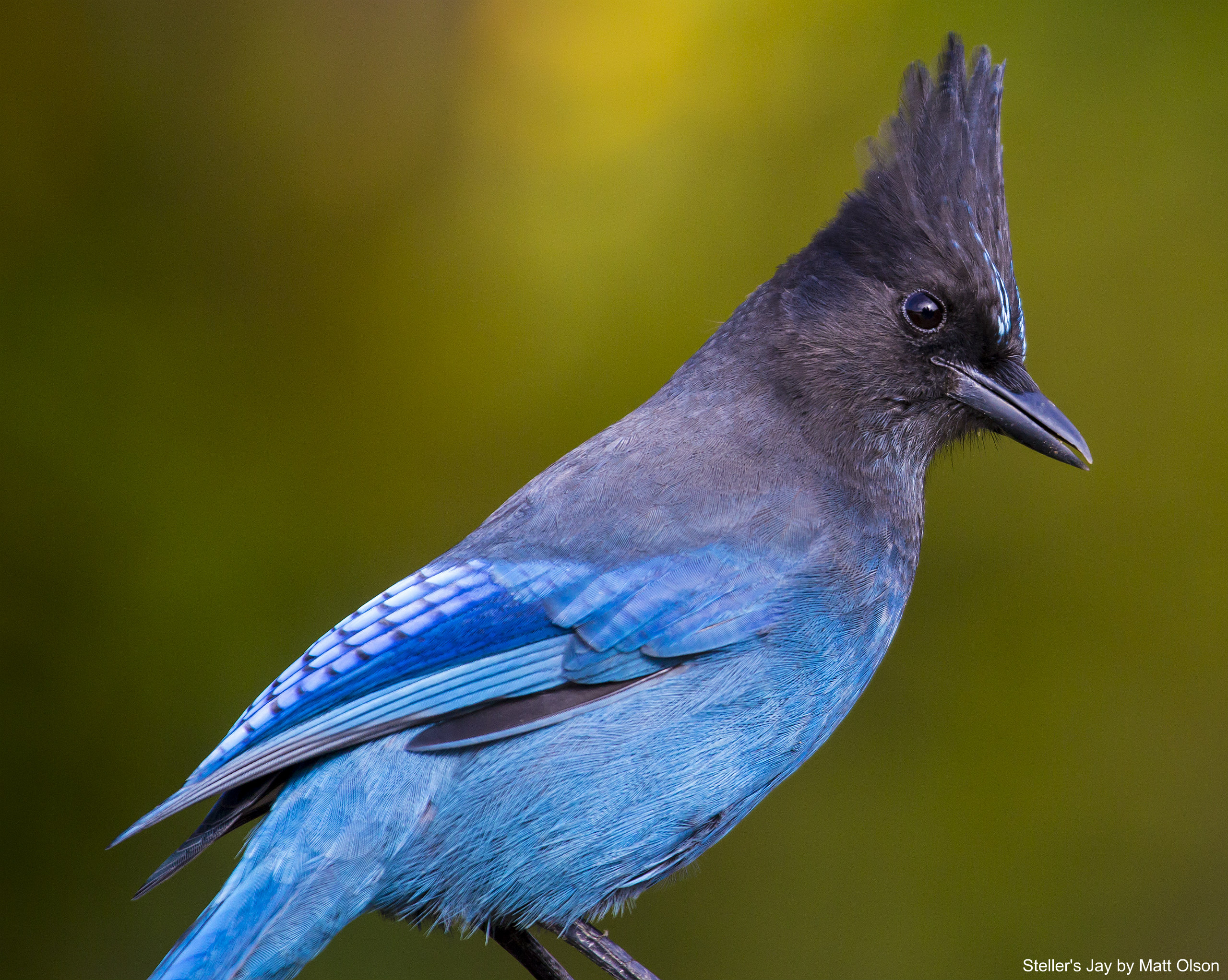
Since crows and magpies have benefited and even increased in numbers due to human development, it was suggested that this might cause increased rates of nest predation of smaller bird species, leading to declines. Several studies have shown this concern to be unfounded. One study examined American crows, which had increased in numbers, were a suspect in nest predation of threatened marbled murrelets. However, Steller's jays, which are successful independently of human development, are more efficient in plundering small birds' nests than American crows and common ravens. Therefore, the human relationship with crows and ravens did not significantly increase nest predation, compared to other factors such as habitat destruction.[19] Similarly a study examining the decline of British songbirds found no link between Eurasian magpie numbers and population changes of 23 songbird species.[20]

 Related image

 Behaviour

 Related image


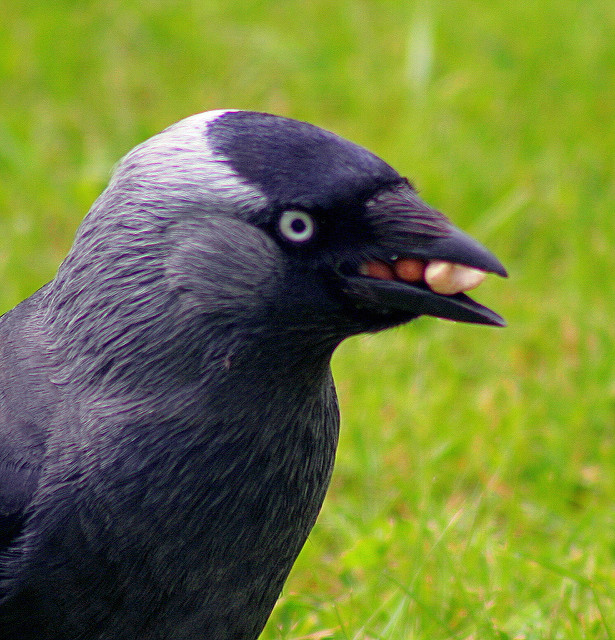
Some corvids have strong organization and community groups. Jackdaws, for example, have a strong social hierarchy, and are facultatively colonial during breeding.[21] Providing mutual aid has also been recorded within many of the corvid species.
Young corvids have been known to play and take part in elaborate social games. Documented group games follow "king of the mountain", or "follow the leader", patterns. Other play involves the manipulation, passing, and balancing of sticks. Corvids also take part in other activities, such as sliding down smooth surfaces. These games are understood to play a large role in the adaptive and survival ability of the birds.[22]
Mate selection is quite complex and accompanied with much social play in the Corvidae. Youngsters of social corvid species undergo a series of tests, including aerobatic feats, before being accepted as a mate by the opposite sex.[18]
Some corvids can be aggressive. Blue jays, for example, are well known to attack anything that threatens their nest. Crows have been known to attack dogs, cats, ravens, and birds of prey. Most of the time these assaults take place as a distraction long enough to allow an opportunity for stealing food.[18]

Food and feeding

Corvids are highly opportunistic foragers. Here a jungle crow feeds on a shark carcass.
The natural diet of many corvid species is omnivorous, consisting of invertebrates, nestlings, small mammals, berries, fruits, seeds, and carrion. However, some corvids, especially the crows, have adapted well to human conditions and have come to rely on anthropogenic foods. In a US study of American crows, common ravens and Steller's jays around campgrounds and human settlements, the crows appeared to have the most diverse diet of all, taking anthropogenic foods such as bread, spaghetti, fried potatoes, dog food, sandwiches, and livestock feed. The increase in available anthropogenic food sources is contributing to population increase in some corvid species.[19]
Some corvids are predators of other birds. During the wintering months, corvids typically form foraging flocks.[2] However, some crows also eat many agricultural pests including cutworms, wireworms, grasshoppers, and harmful weeds.[18] Some corvids will eat carrion, and since they lack a specialized beak for tearing into flesh, they must wait until animals are opened, whether by other predators or as roadkill.

Reproduction

A Canada jay pair feeding their chicks.
Many species of corvid are territorial, protecting territories throughout the year or simply during the breeding season. In some cases territories may only be guarded during the day, with the pair joining off-territory roosts at night. Some corvids are well-known communal roosters. Some groups of roosting corvids can be very large, with a roost of 65,000 rooks counted in Scotland.[23] Some, including the rook and the jackdaw, are also communal nesters.
The partner bond in corvids is extremely strong and even lifelong in some species. This monogamous lifestyle, however, can still contain extra-pair copulations.[24] Males and females build large nests together in trees or on ledges; jackdaws are known to breed in buildings and in rabbit warrens.[21] The male will also feed the female during incubation.[25] The nests are constructed of a mass of bulky twigs lined with grass and bark. Corvids can lay between 3 and 10 eggs, typically ranging between 4 and 7. The eggs are usually greenish in colour with brown blotches. Once hatched, the young remain in the nests for up to 6–10 weeks depending on the species.
Corvids use several different forms of parental care, including biparental care and cooperative breeding.[26] Cooperative breeding takes place when parents are helped in raising their offspring, usually by relatives but also sometimes by non-related adults.[27][28] Such helpers at the nest in most cooperatively breeding birds are males, while females join other groups.White-throated magpie-jays are cooperatively breeding corvids where the helpers are mostly female.

Intelligence

The brain-to-body weight ratios of corvid brains are among the largest in birds, equal to that of most great apes and cetaceans, and only slightly lower than a human.[6] Their intelligence is boosted by the long growing period of the young. By remaining with the parents, the young have more opportunities to learn necessary skills.
When compared to dogs and cats in an experiment testing the ability to seek out food according to three-dimensional clues, corvids out-performed the mammals.[29] A meta-analysis testing how often birds invented new ways to acquire food in the wild found corvids to be the most innovative birds.[30] A 2004 review suggests that their cognitive abilities are on par with those of great apes.[31] Despite structural differences, the brains of corvids and great apes both evolved the ability to make geometrical measurements.
Corvid ingenuity is represented through their feeding skills, memorization abilities, use of tools, and group behaviour. Living in large social groups has long been connected with high cognitive ability. To live in a large group, a member must be able to recognize individuals and track the social position and foraging of other members over time. Members must also be able to distinguish between sex, age, reproductive status, and dominance, and to update this information constantly. It might be that social complexity corresponds to their high cognition.[32]
The Eurasian magpie is the only non-mammal species known to be able to recognize itself in a mirror test.[4] Magpies have been observed taking part in elaborate grieving rituals, which have been likened to human funerals, including laying grass wreaths.[33] Marc Bekoff, at the University of Colorado, argues that it shows that they are capable of feeling complex emotions, including grief.[33]
There are also specific examples of corvid cleverness. One carrion crow was documented to crack nuts by placing them on a crosswalk, letting the passing cars crack the shell, waiting for the light to turn red, and then safely retrieving the contents.[34] A group of crows in England took turns lifting garbage bin lids while their companions collected food.[citation needed]
Members of the corvid family have been known to watch other birds, remember where they hide their food, then return once the owner leaves.[35][36] Corvids also move their food around between hiding places to avoid thievery, but only if they have previously been thieves themselves (that is, they remember previous relevant social contexts, use their own experience of having been a thief to predict the behavior of a pilferer, and can determine the safest course to protect their caches from being pilfered). Studies to assess similar cognitive abilities in apes have been inconclusive.[37]
The ability to hide food requires highly accurate spatial memories. Corvids have been recorded to recall their food's hiding place up to nine months later. It is suggested that vertical landmarks (like trees) are used to remember locations. There has also been evidence that California scrub jays, which store perishable foods, not only remember where they stored their food, but for how long. This has been compared to episodic memory, previously thought unique to humans.[3]
New Caledonian crows (Corvus moneduloides) are notable for their highly developed tool fabrication. They make angling tools of twigs and leaves trimmed into hooks, then use the hooks to pull insect larvae from tree holes. Tools are engineered according to task and apparently also to learned preference. Recent studies revealed abilities to solve complicated problems, which suggests high level of innovation of a complex nature.[38] Other corvids that have been observed using tools include the American crow, blue jay and green jay. Diversity in tool design among corvids suggests cultural variation. Again, great apes are the only other animals known to use tools in such a fashion.[3]
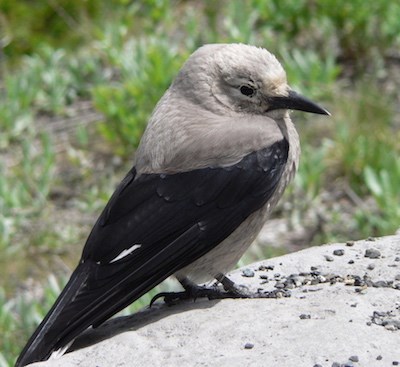
Clark's nutcrackers and jackdaws were compared in a 2002 study based on geometric rule learning. The corvids, along with a domestic pigeon, had to locate a target between two landmarks, while distances and landmarks were altered. The nutcrackers were more accurate in their searches than the jackdaws and pigeons.[39]
The scarecrow is an archetypal scare tactic in the agricultural business. However, due to corvids' quick wit, scarecrows are soon ignored and used as perches. Despite farmers' efforts to rid themselves of corvid pests, their attempts have only expanded corvid territories and strengthened their numbers.[18]
Contrary to earlier teleological classifications in which they were seen as "highest" songbirds due to their intelligence, current systematics might place corvids, based on their total number of physical characteristics instead of just their brains (which are the most developed of birds), in the lower middle of the passerine evolutionary tree, dependent on which subgroup is chosen as the most derived.[10] As per one observer:
During the 19th century there arose the belief that these were the 'most advanced' birds, based upon the belief that Darwinian evolution brings 'progress'. In such a classification the 'most intelligent' of birds were listed last reflecting their position 'atop the pyramid'. Modern biologists reject the concept of hierarchical 'progress' in evolution [...].[2]
The other major group of highly intelligent birds of the order Psittaciformes (which includes 'true' parrots, cockatoos and New Zealand parrots) is not closely related to corvids.

Disease

Corvids are reservoirs (carriers) for the West Nile virus in the United States. They are infected by mosquitoes (the vectors), primarily of the Culex species. Crows and ravens are quickly killed by this disease, so their deaths are an early-warning system when West Nile virus arrives in an area (as are horse and other bird species deaths). One of the first signs that West Nile virus first arrived in the US in 1999 was the death of crows in New York.[40]

Relationship with humans

Several different corvids, particularly ravens, have occasionally served as pets, although they are not able to speak as readily as parrots and do not like being caged.[citation needed]

Role in myth and culture

Folklore often represents corvids as clever, and even mystical, animals. Some Native Americans, such as the Haida, believed that a raven created the earth and despite being a trickster spirit, ravens were popular on totems, credited with creating man, and considered responsible for placing the Sun in the sky.[citation needed]
Due to their carrion diet, the Celtic peoples strongly associated corvids with war, death and the battlefield – their great intelligence meant that they were often considered messengers, or manifestations of the gods such Bendigeidfran Blessed raven or the Irish Morrigan, underworld deities that may be related to the later Arthurian Fisher King. The Welsh Dream of Rhonabwy illustrates well the association of ravens with war. In many parts of Britain, gatherings of crows, or more often magpies, are counted using the divination rhyme: one for sorrow, two for joy, three for a girl, four for a boy, five for silver, six for gold, seven for a secret never to be told. Another rhyme is: one for sorrow, two for mirth, three for a funeral, four for a birth, five for heaven, six for hell, and seven for the Devil, his own sel'. Cornish superstition holds that when a lone magpie is encountered, it must be loudly greeted with respect.
Various Germanic peoples highly revered the raven. The major deity Odin was so associated with ravens throughout history that he gained the kenning "raven god"[b] and the raven banner was the flag of various Viking Age Scandinavian chieftains. He was also attended by Hugin and Munin, two ravens who whispered news into his ears.[41] The Valravn sometimes appears in modern Scandinavian folklore. The Sutton Hoo treasure features stylised corvids with scrolled beaks in the decorative enamel work on the shield and purse lid reflecting their common totemic status to the Anglo-Saxons, whose pre-Christian indigenous beliefs were of the same origin as that of the aforementioned Vikings.
The 6th century BC Greek scribe Aesop featured corvids as intelligent antagonists in many fables. Later, in western literature, popularized by American poet Edgar Allan Poe's work "The Raven", the common raven becomes a symbol of the main character's descent into madness.
The book Mrs. Frisby and the Rats of NIMH and its film adaptation features a crow named Jeremy.
The Hawaiian crow is extinct in the wild as a result of habitat loss and other factors.

 Related image


Status and conservation

 Related image


Unlike many other bird families, corvid fitness and reproduction, especially with many crows, has increased due to human development. The survival and reproductive success of certain crows and ravens is assisted by their close relationship with humans.[19]
Human development provides additional resources by clearing land, creating shrublands rich in berries and insects. When the cleared land naturally replenishes, jays and crows use the young dense trees for nesting sites. Ravens typically use larger trees in denser forests.[19]
Despite the fact that most corvids are not threatened (many even increasing due to human activity) a few species are in danger. For example, the destruction of the Southeast Asian rainforests is endangering mixed-species feeding flocks with members from the family Corvidae.[42] Also, since its semiarid scrubland habitat is an endangered ecosystem, the Florida scrub jay has a small and declining population.[43][44] A number of island species, which are more vulnerable to introduced species and habitat loss, have been driven to extinction, such as the New Zealand raven, or are threatened, like the Mariana crow.
The American crow population of the United States has grown over the years. It is possible that the American crow, due to humans increasing suitable habitat, will cause Northwestern crows and fish crows to decline.[45]

Species

FAMILY CORVIDAE
Rufous treepie, Dendrocitta vagabunda
Yellow-billed blue magpie, Urocissa flavirostris
Eurasian jay (Garrulus glandarius)
Eurasian magpie, Pica pica
Plush-crested jay, Cyanocorax chrysops
Common raven, Corvus corax
Hooded crow, Corvus cornix
Thick-billed raven, Corvus crassirostris
Australian raven, Corvus coronoides


Corvidae
Leach, 1820


Corvidae range.png 


Distribution map of the Corvidae.


   Native   (Re)Introduced

  Extinct (post-1500)   Extinct (pre-1500)